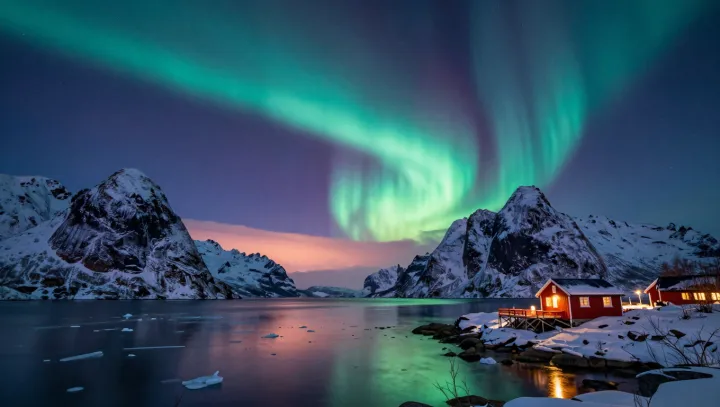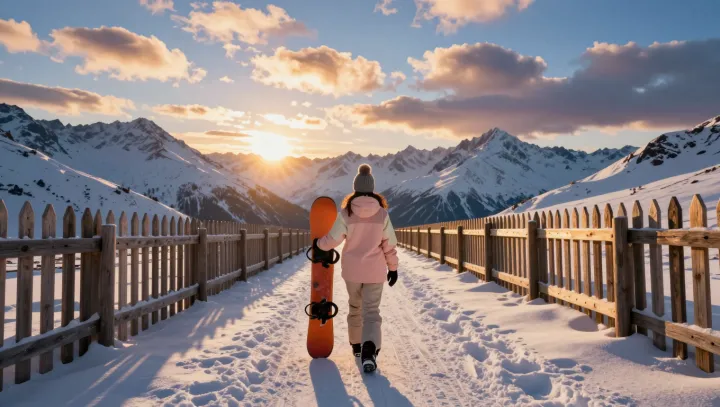
Beauty is misleading. Dawn light lies flat on a white trail, and the surface can look forgiving even while a thin meltwater film begins locking grains together under a slight change in air temperature. Then the sound changes. Powder gives under a shoe; ice answers with a clipped scrape. You notice it late.
The risk is ordinary, not dramatic. Snow near its melting point undergoes a phase transition with little visual warning: solar radiation and pressure can produce meltwater at grain contacts, while a small cooling shift triggers refreezing and builds a melt-freeze crust. That crust is not merely packed snow. Its bonded grains reduce penetration, and low surface roughness can cut friction just when a runner expects grip. A few degrees can redraw the route.
Your best move is boring. Treat the first slick patch as a report on the whole route, not an isolated annoyance, because shaded bends and exposed stretches can hold separate snowpack states within minutes of each other. Shorten the stride. Ease the pace. Look for glare, shallow footprints, and abrupt changes in footfall before committing weight. Serenity is cheap evidence. If you were already moving fast, would you trust the view or the scrape beneath you?