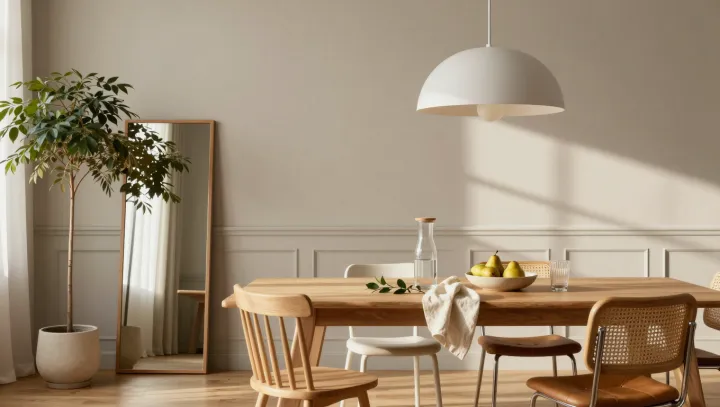
Less on the table helps. When menus, glassware, cables, and ornaments compete for visual attention, the mind must separate signal from distraction before a diner chooses anything. The cost accumulates. Cognitive load grows through repeated filtering, while ordinary demands, from messages to errands, continue pressing elsewhere. Deadlines remain outside. A restrained room does not solve them; it refuses to become one more source of friction.
The benefit is modest. Yet selective attention is finite, and working memory can be taxed by choices that seem too minor to deserve notice: where to sit, which menu item to scan, what object might fall, what color pulls the eye. Small tasks still count. In cognitive psychology, executive control allocates limited resources among competing stimuli, so a room crowded with prompts can turn a routine meal into a chain of micro-decisions. Fewer cues narrow that contest. This is not a promise of serenity, nor a claim that decor causes distress; it is an argument for reducing needless processing at the margin.
Good design is less theatrical. It gives the eyes fewer bids for notice, allowing conversation and appetite to occupy the foreground without pretending that domestic order can repair a crowded life. The relief is partial. Its value lies in subtraction: a calmer dining room leaves more attentional bandwidth for the people present, rather than spending it on objects that demand silent appraisal. Nothing miraculous occurs. Still, beneath an uncluttered table, choice may regain its proper size: small, ordinary, and no longer asking to be fought.