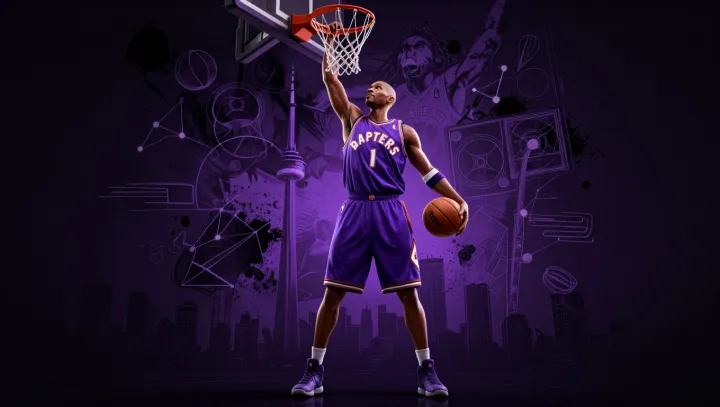
The skin does the work. Under arena light, a basketball's pebbled cover interrupts the smooth glide that would otherwise let fingertips skate, turning a casual hold into controlled contact. Grip is not glamour. Those raised nodes, though they look like branding or tradition, are an engineered answer to the hand's unreliable meeting with a moving sphere.
Smoothness would be a mistake. When a player applies normal force, the pebbles create many small contact points while the cover and skin deform, raising resistance to sliding through surface roughness and adhesion. Friction buys time. The relevant measure is the coefficient of friction: greater resistance lets fingers apply torque, redirect the ball, add spin, or steady it before motion and gravity pull it free.
That texture is an honest compromise. It cannot erase sweat, dust, or a poor release, and heavy moisture can still weaken contact; yet repeated ridges give the hand edges to press against when possession becomes a split-second contest. The hand reads the code. In the hush before a pass or shot, countless small bumps decide whether the sphere obeys, then disappear beneath the motion they made possible.