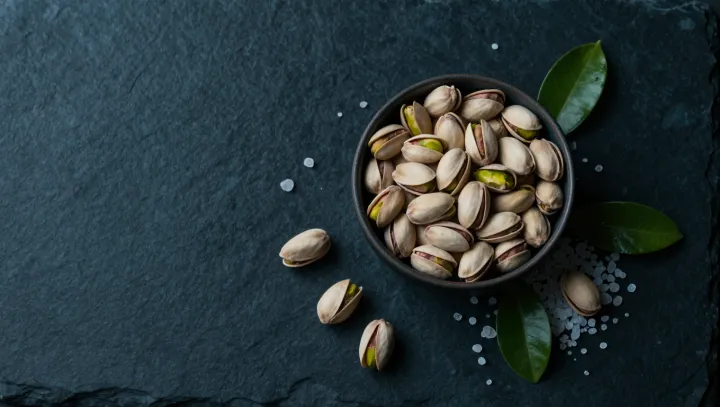
The label lies quietly. Under store lights, a pistachio shell can seem trivial, although its split often reveals whether natural dehiscence or mechanical opening made the kernel easy to reach. That difference matters. One word on a package folds together a shell-on nut, a shelled kernel, and sometimes a snack whose flavor comes chiefly from paste, extract, or aroma.
Roasting changes the bargain. Heat produces Maillard reaction compounds that deepen color and aroma, yet it can also accelerate lipid oxidation when storage conditions are poor. Salt can conceal faults. A heavily salted nut may taste emphatic even as stale oils and muted texture signal deterioration. Texture keeps score. A firm kernel with a clean snap usually reflects sound handling, whereas softness may reflect moisture migration and higher water activity. Roast level speaks too. It records heat exposure while reshaping the sensory evidence a buyer can use.
Freshness deserves suspicion. Because pistachios contain unsaturated fats, oxygen, light, and warmth can promote rancidity long before a package looks compromised. Ingredients settle the question. For a flavored bar, biscuit, or frozen dessert, the ingredient panel, not the front-panel word, establishes whether pistachio is a principal component or merely a cue. Names still deceive. At the shelf, the shell becomes a small locked door, and the name on it can be less revealing than the hinge.