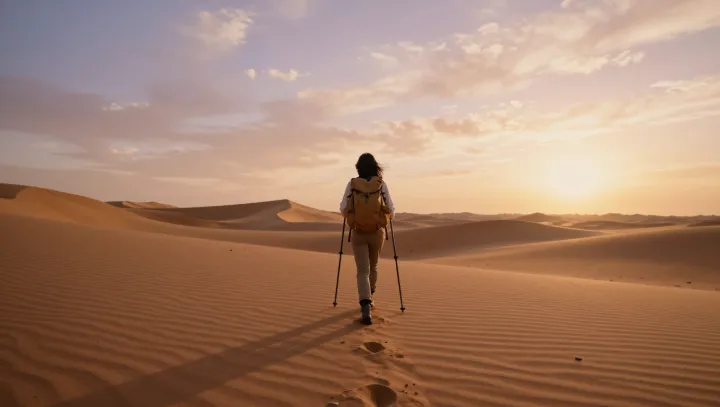
Sunset exposes the bargain. As light thins and a loaded pack pulls the trunk backward, each footfall must be placed rather than merely repeated, while uneven ground keeps the vestibular system and proprioception correcting errors that a seated machine can ignore.
Machines are often too polite. A leg press can load the quadriceps, yet it fixes the path, removes route finding, and lets the body pause between efforts; a trek couples eccentric contraction on descents with force production on climbs, asking the hips, ankles, trunk, and eyes to bargain with every change underfoot. No reset button. Each incline alters stride length, breathing rhythm, and pack stability before fatigue can be neatly separated into muscle groups.
Pacing is the hidden prize. Because the distance remains unfinished and daylight is fading, effort must stay below the point where form unravels, turning perceived exertion into a running calculation rather than a timer-based interval. That is endurance with consequences. The pack also shifts the center of mass, so balance is trained not as a brief drill but as a constant correction, mile after mile. By the final dim stretch, the body has learned a quieter lesson: progress depends less on a perfect repetition than on choosing the next safe step.