An improbable cradle, a black webbed foot holds an emperor penguin egg above the ice while a fold of abdominal skin settles over it. Nothing is built. The brood pouch, rich in blood vessels, limits conductive heat loss as wind strips warmth from exposed surfaces. The egg stays raised. A brief slip can chill it fast, turning a parental shift into a lethal error.
This arrangement is less tender than exacting. The margins are thin. During incubation, a male receives the egg after the female lays it and shelters it on his feet while she feeds at sea; he may fast through much of that vigil. Body heat does the work. Countercurrent heat exchange in the legs reduces heat flow toward the ice, while close contact beneath the pouch keeps the developing embryo near incubation temperature. Transfer is the dangerous moment. If an egg or newly hatched chick reaches ice, it can lose heat with punishing speed.
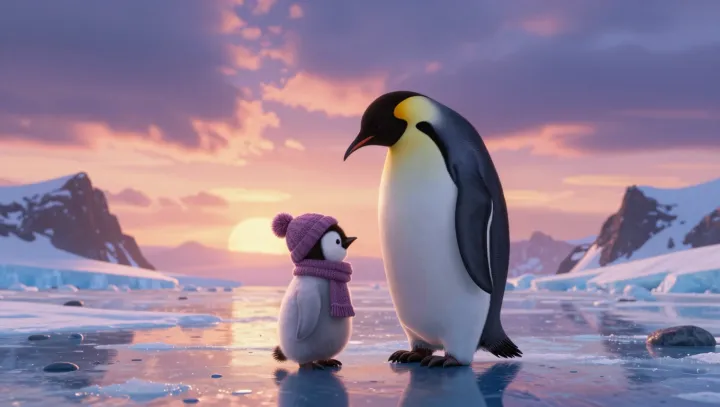
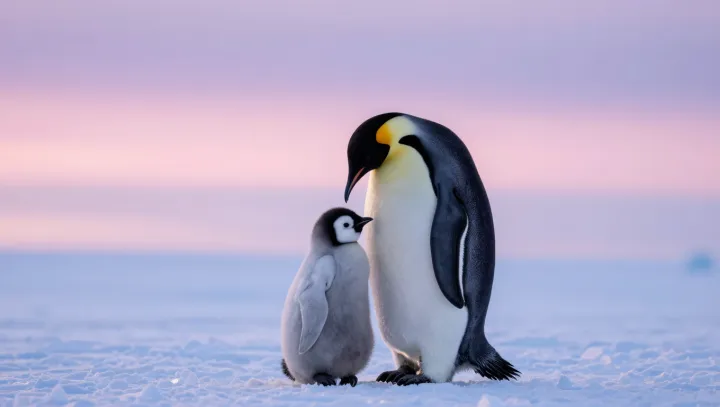
The scene is a rebuke to the idea that a nest must be a place. It is a living interface. By standing packed with other adults, males blunt the wind, and after hatching the chick uses parental feet as refuge while it is fed and guarded. The chick stays elevated. There, on a continent that offers no mercy, architecture is not assembled; it is endured.