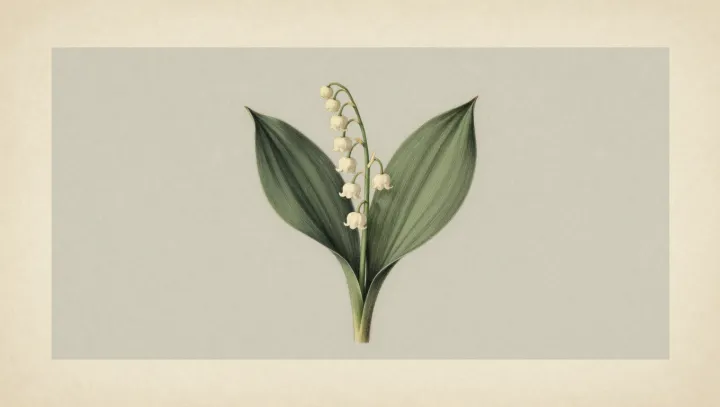
A pressed woodland flower can be a stricter witness than a photograph. Beneath paper and glass, its leaf nodes, petal count, and stem angles hold still, while light shifts across its veins; what looks frail becomes a fixed coordinate for botanists comparing form across specimens.
That authority is earned, not bestowed by charm. When a specimen is selected as a type specimen, taxonomy ties a plant name to material evidence, not to memory or a painterly impression. Its morphology can then be measured: phyllotaxis records leaf arrangement, venation traces transport patterns, and floral merosity counts repeated organs. A herbarium sheet works like a building elevation. Not because a plant is rigid, but because standardized mounting, scale bars, labels, and comparative descriptions turn one small body into a reproducible reference. The practice also disciplines disagreement. If later collections differ in corolla shape or ovary position, taxonomists can return to the voucher, separate variation from error, and revise descriptions without letting a name drift free of its physical anchor.
The lesson is mildly unsettling. Fragility made the flower useful: it demanded careful collection before tissue collapsed, and that discipline exposed details casual viewing misses. In the quiet after classification, the specimen remains both mortal tissue and a durable rule, a flower pinned between growth and grammar.