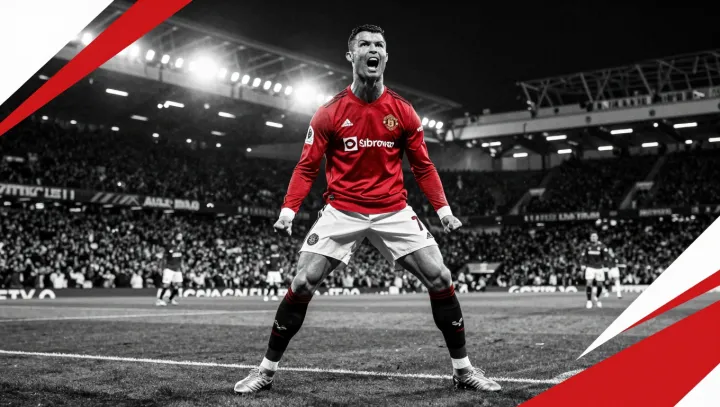
The floodlights offer no mercy. Beneath them, Old Trafford can turn a routine misplaced pass into an accusation, because the sound arrives before the player has found his recovery run and spreads through the stands with the speed of a verdict. Home advantage is not automatic. It is a volatile asset, one that can furnish urgency to a press or expose the panic within it.
Rhythm matters more. When pressing triggers are met and the first pass after recovery breaks a line, the crowd gives runners permission to take risk; when possession stalls, that same impatience narrows the pitch in a player's mind. xG measures chance quality, not the psychic tax of a groan. That distinction matters. In transition, the issue is rest defence: if the fullbacks advance without cover, one broken attack can make the stadium feel smaller than the field. A side that chases reassurance rather than the next action usually concedes territory first.
That is the wager. United do not need silence, nor a manufactured siege; they need enough composure to let the crowd become an amplifier of intent rather than a tribunal for each error. Under sustained pressure, communication and spacing become the private resistance against public judgment. The strongest home displays do not feed on rage. They create repeatable patterns through wide outlets, controlled second balls, and a compact counterpress that prevents drama from becoming disorder. At Old Trafford, the light does not soften a mistake. It merely makes every face see it.