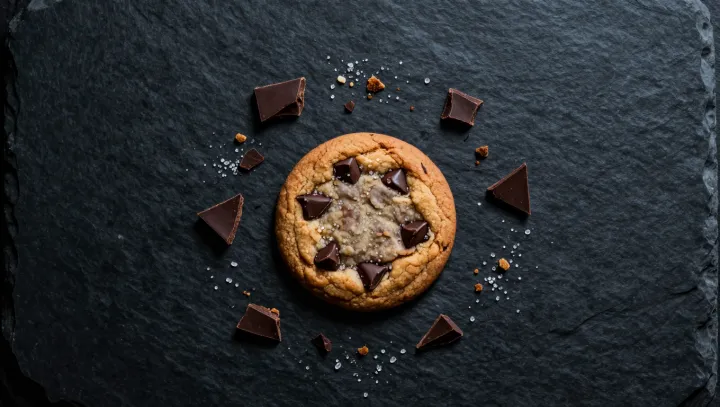
A cookie under a cafe lamp makes a stronger argument than its size should permit. Sugar is insufficient. Its smell, shine, and familiar shape can recruit anticipation before taste reaches the tongue, turning an ordinary snack into a cue-rich proposition for the brain.
Craving begins early. Reward cues can prompt dopaminergic signaling in mesolimbic circuits, where learned associations attach expected pleasure to a sight or scent; the resulting urge is less a command from hunger than a forecast of payoff. That distinction matters. A person can want another bite while energy needs are already met, because cue-reactivity is built from repetition, context, and memory rather than calories alone. The cookie is not merely eaten. It is anticipated, rehearsed, and, in a sense, already enjoyed.
Restraint is no moral medal. The prefrontal cortex and inhibitory control help hold back a practiced response, yet those systems can be strained by distraction, fatigue, stress, or an environment packed with edible prompts. Pause first. Changing the cue, slowing the reach, or placing the cookie out of view may give that control system room to act before the reward forecast hardens into behavior. The last crumb, then, is not a verdict on willpower, but a quiet contest between invitation and delay.