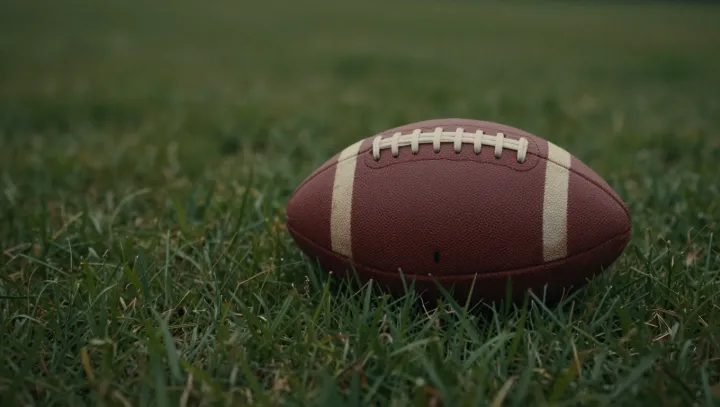
Roughness can seduce. As the glossy finish is abraded, exposed grain and raised microasperities interlock more readily with skin, increasing the coefficient of friction even when contact pressure changes little. The hand notices first. Minute ridges displace sweat and interrupt the thin lubricating film that can make new leather slick; grip rises through mechanical interlocking, not magic.
That advantage is borrowed. Abrasion does not merely redraw the surface: it cuts through protective coatings and begins loosening the collagen fiber matrix whose alignment gives leather its tensile strength. Damage travels inward. Each flex concentrates stress around scratches, pores, and emerging cracks, while dirt, oils, and cycles of wetting and drying can weaken fiber bonding and invite further moisture uptake.
The trade is unforgiving. A player gains tactile feedback and a steadier release, yet the ball loses resistance to tearing, deformation, and continued wear as its finish and fibers fail. Grip is a surface event. Strength is structural; one can improve while the other declines, until the worn grain catches the light like a promise already being spent.