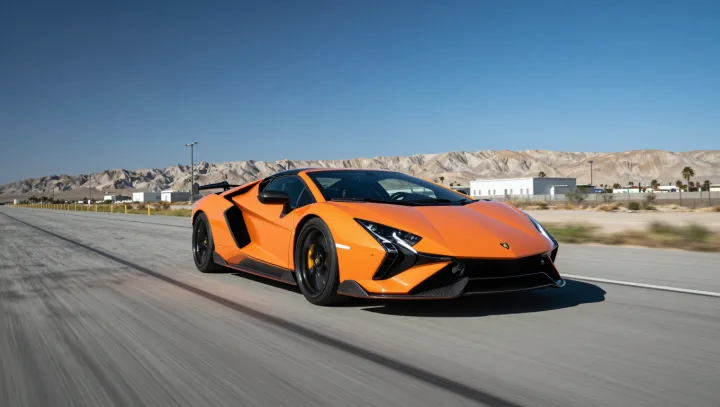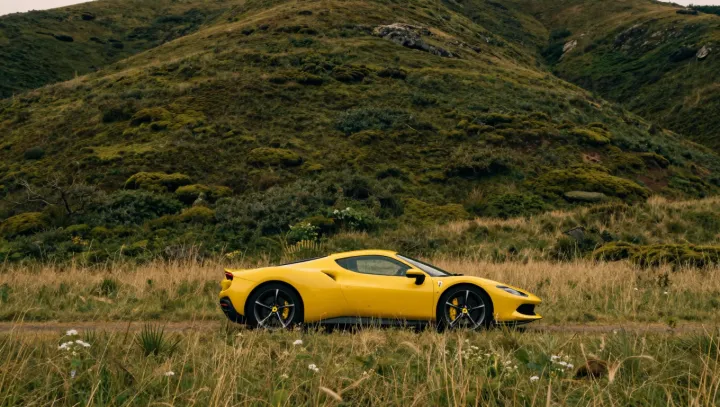
The speedometer can lie. Brake lights smear into red threads when the throttle opens, but the sensation that pins a driver to the seat is not velocity itself; it is velocity changing fast enough for the body to register it. Change grabs the body. Once motion becomes constant, perception economizes and the drama drains away.
Speed is a poor storyteller. The vestibular system, using the semicircular canals and otolith organs, reacts strongly to angular and linear acceleration, while sustained motion delivers less fresh input after sensory adaptation takes hold. The cabin goes quiet. A train, aircraft, or car can move at a startling rate and feel almost still when its ride remains smooth. Your brain updates predictions. It pays closest attention when incoming signals create an error against those predictions.
Automakers know the trick. Longitudinal acceleration can feel larger through torque delivery, gear shifts, engine sound, seat pressure, and visual flow, even when the speedometer changes little. Think of the nervous system as a motion-detection algorithm. Sensory adaptation is the real biological process: like software filtering a stable data stream, it treats repeated input as background and flags sudden deviation. The payoff is obvious. Design for transitions rather than terminal speed, and machines can produce sharper sensations without demanding faster travel.