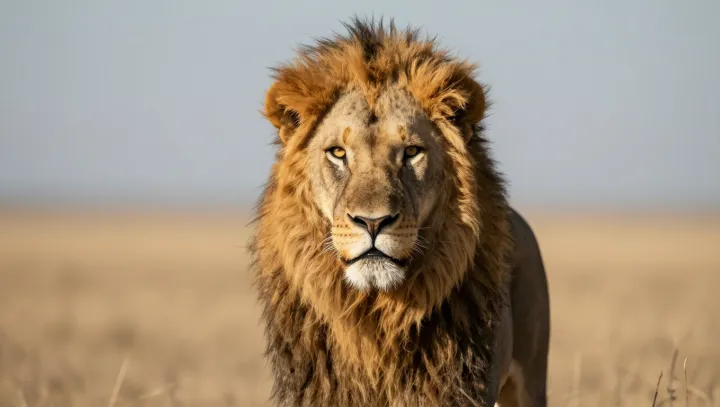
Dark manes command attention. Their appeal is not merely decorative: among lions studied in the Serengeti, females preferred darker-maned male models, suggesting that color helps them assess potential mates before approaching. Behind that preference lies sexual selection, through which traits associated with reproductive success can become conspicuous advertisements rather than simple camouflage.
The attraction has substance. Field research has linked darker manes with higher testosterone levels and better nutritional condition, while observations suggest that mane appearance can deteriorate following injury or poor health. Pigmentation offers clues, not a medical diagnosis: age, individual differences and environmental conditions also affect what a lion wears around his neck. Rivals notice it too. Experiments using life-sized models found that males were more reluctant to approach dark-maned opponents, indicating that the same visual signal can attract females while discouraging competitors. For a lioness, a formidable partner may offer more than mating opportunities, since males help defend territory and protect cubs against incoming males.
Darkness is no guarantee. Melanin produces the coloration, but the relationship between pigmentation, hormones and condition does not turn every black-maned male into the healthiest available mate. Thermoregulation complicates the picture: darker hair absorbs more solar energy, although how much that raises the animal's total heat burden depends on conditions and remains debated. Context still matters. A pale mane need not mean weakness, especially where climate favors less imposing hair, and female preferences need not be identical across populations. The mane is an advertisement written by a body, with weather and hunger still holding the pen.