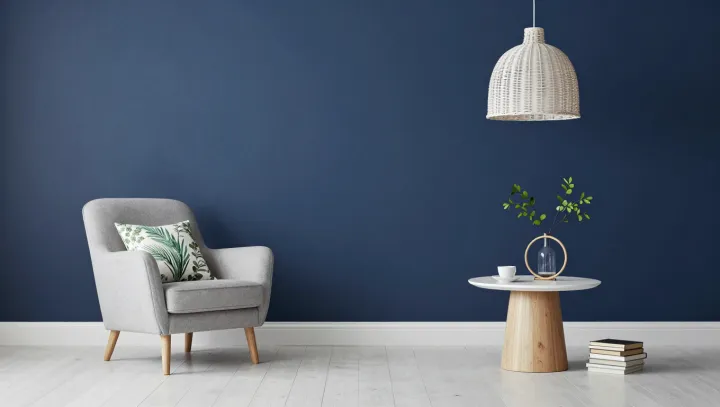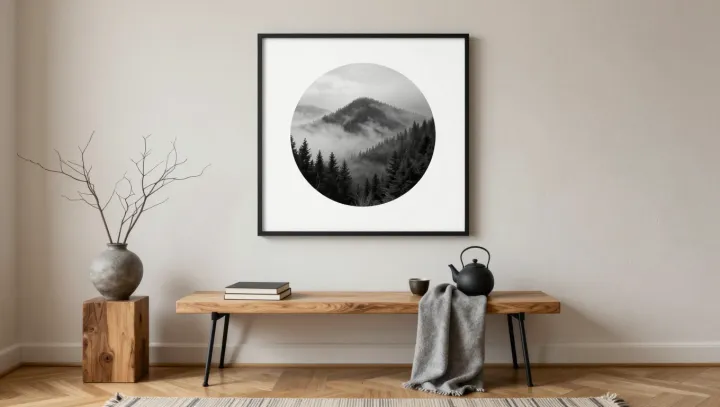
Texture does the work that color refuses to do. In a Scandinavian interior, pale wood grain, a wool throw and a linen cushion create distinctions that a neutral palette alone cannot supply. The room remains restrained, but its surfaces offer the eye something to investigate.
Light is the quiet collaborator. Across a wooden table, it reveals fine lines and knots; on woven fabric, it catches raised threads while leaving tiny recesses in shadow. Diffuse reflection scatters light from matte surfaces, softening glare and allowing subtle variations to register. The effect changes through the day. A chair that seems almost plain in the morning can acquire a sharper outline when low light reaches its edges. These differences make the room visually engaging without requiring a dramatic pattern or saturated wall.
Restraint works best with contrast. Smooth wood beside nubby wool, or a crisp linen cover against a soft rug, gives simple furnishings a tactile presence even before anyone touches them. Material choice matters more than quantity: too many competing finishes can blur the calm that makes the scheme distinctive, while an entirely uniform set of surfaces can feel flat. Natural materials need not be flawless, either. A knot or an uneven weave gives the eye a small interruption, a reminder that quiet rooms can hold complexity. On the table, the grain remains after the light has moved on.