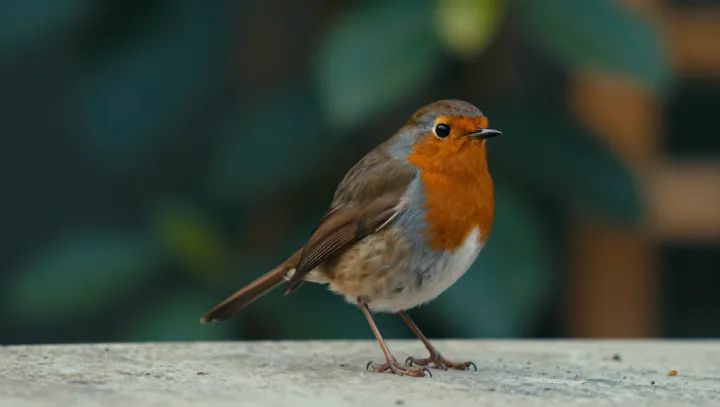
The robin owes some of its Christmas fame not to a forest, but to the post. Its orange-red breast echoed the red coats of British postmen, who were nicknamed robins. That resemblance gave card makers a ready-made visual joke: a bird could stand in for the person delivering a greeting.
The joke had commercial legs. As Christmas cards became popular in Victorian Britain, printers put robins on designs carrying envelopes or delivering messages. Chromolithography, a method of color printing, helped make such images widely available. The connection was easy to grasp: the card arrived through the post, and the bird pictured on it resembled the red-coated messenger at the door. Not every robin card needed the same joke, of course. Once established in seasonal iconography, the bird could appear on a snowy branch or beside a festive greeting without an envelope in sight.
The postman did not invent the robin's appeal. British folklore had already given the bird a rich imaginative life, including stories that linked its red breast to the blood of Christ. Such tales varied, and they should not be mistaken for a single, settled origin story. The living bird helped, too: robins remain visible in winter and often venture close to gardens and homes, making them familiar companions in a season when many other birds are less conspicuous. The card brought these associations together. On a small piece of paper, the winter visitor became both a messenger and a memory of the person who had carried it there.