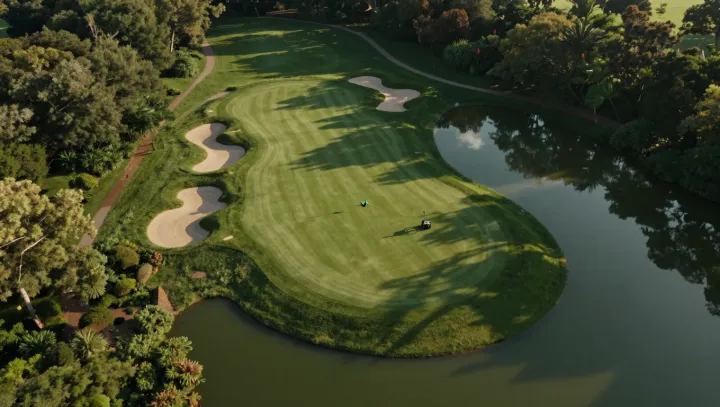
A golf round can deliver substantial exercise without looking much like a workout. The movement is scattered. Between shots and pauses, the distance from tee to green accumulates across the course, and detours to find a ball or reach the next tee add to the journey.
Standing still does not erase the work done between shots. Walking recruits large muscles and raises energy expenditure above resting levels; aerobic metabolism helps supply those muscles with energy as the round progresses. The effort comes in installments. Although pauses lower the average intensity of the whole round, each stretch of walking contributes to the total activity. Hills, pace and carrying clubs can increase the effort, while a cart removes much of the walking. The amount of exercise varies with the course and the player.
The course rewards patience as much as exertion. For someone seeking moderate activity, walking the route can offer a way to spend considerable time on the move without sustaining the pace of a continuous workout. It is not a shortcut. A slow round with long waits may demand less than a brisk walk over the same distance, and players should choose a pace that suits their fitness. The distinction matters when comparing golf with exercise guidelines, which focus on activity intensity as well as duration. On the fairway, the next shot waits at the end of another walk.