A block can be more valuable than a catch. It rarely gets the same attention, yet the running back who stops a defender from reaching the quarterback can make the entire passing play possible. The reward may belong to a receiver downfield; the opportunity often begins much closer to the line of scrimmage.
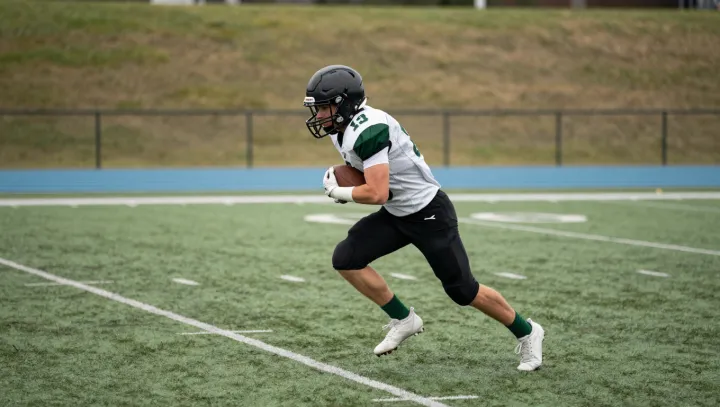
Rushing is only part of the job. On a running play, the back takes a handoff or pitch and tries to gain yards through a gap or around the edge. On a passing play, the assignment may be to recognize a blitz and pick up a linebacker or defensive back who has rushed toward the quarterback. This is pass protection, and it demands more than a collision: the back must identify the threat, position the body and hold the defender off long enough for a throw. Miss the assignment, and the result could be a sack, a rushed pass or a fumble.
The choice is not simply block or catch. Some plays send the back into a route immediately; others keep the back in protection or allow a release after checking for a rusher. Against pressure, keeping an extra blocker in can leave fewer receivers available, but it may give those downfield enough time to get open. The trade is time for options. A successful block may earn no yards on its own, and the passer may still miss the throw. Yet without that brief resistance in the backfield, the downfield route can remain a possibility never tested, a pattern traced beyond a pocket already broken.