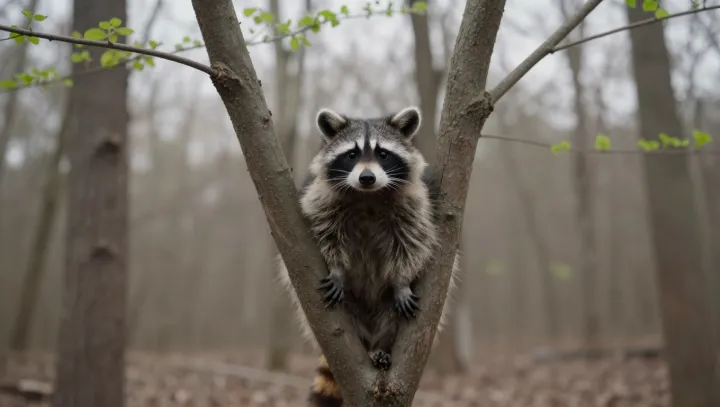
The raccoon's apparent washing habit is less about cleanliness than discovery. Its paws turn and rub food in water, giving the impression of a diner preparing a meal. But the movement also resembles the animal's broader habit of investigating objects by touch, whether water is available or not.
Those paws are more than simple grasping tools. Their skin contains mechanoreceptors that respond to pressure and movement, supplying information about an object's shape and texture. The brain gives touch substantial attention: a large portion of the somatosensory cortex, which processes bodily sensations, is devoted to the forepaws. For an animal that searches through mud, vegetation and shallow water, that investment can help distinguish food from debris when sight offers little help.
Water may sharpen the encounter, though it does not explain every rub. Wetting the skin can make the outer layer more pliable, potentially helping the paws gather tactile information; researchers have also proposed that dipping food draws on movements used when searching for aquatic prey. Neither idea means every dunk serves the same purpose. Raccoons handle food on dry ground too, and their behavior can vary with the animal and its surroundings. What looks like a lesson in table manners may instead be a search conducted through the fingertips: food held between two paws, its contours explored before the first bite.