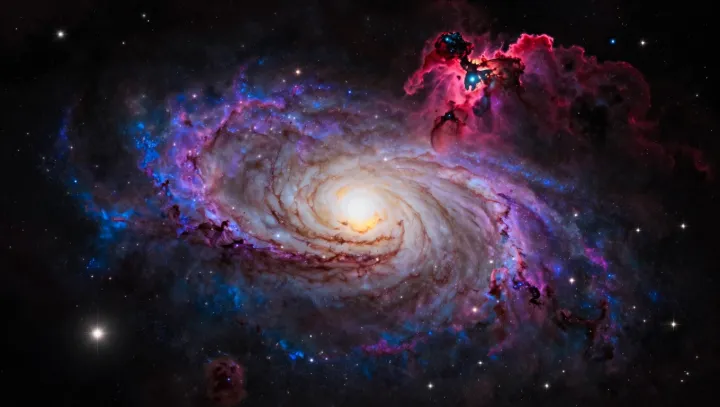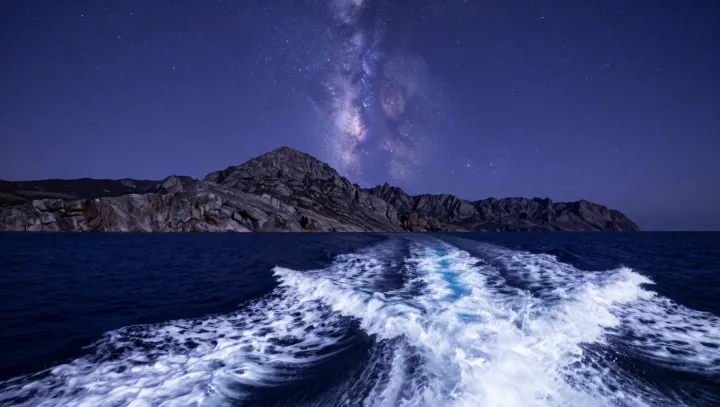
More exposure is not always better. The Milky Way may be faint, but a shutter left open too long turns its stars into streaks, as Earth rotates beneath a camera fixed to the ground. The extra light comes with a price: the picture gains brightness while losing the sharp points that give the night sky its texture.
Darkness is the better investment. Find a location away from city lights, mount the camera on a sturdy tripod and use a wide aperture to admit more light without extending the exposure. A wide-angle lens helps too, because stars move across fewer pixels during the same exposure than they would with a longer lens. Start with an exposure of around ten seconds, then inspect the image at full magnification and adjust. There is no universal limit: focal length, sensor resolution and the direction of the shot all affect when star trails become visible.
Brightness can also deceive. Longer exposures collect skyglow along with starlight, washing out contrast and potentially clipping brighter stars; heat can add sensor noise as well. A higher ISO may brighten the displayed image, but it cannot replace light the camera never collected. For cleaner detail, try combining several aligned exposures through image stacking, which can reduce random noise. A star tracker offers another route by compensating for Earth rotation, though the ground will blur unless photographed separately. Between a sharp star and a brighter sky lies the photographer's choice.