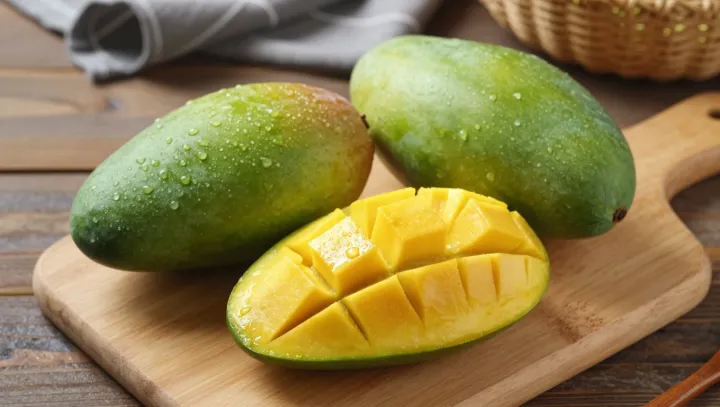
Mangoes can make a plant-based meal more nourishing than its ingredients suggest. The reason is chemistry. Alongside beans, lentils or leafy greens, mango supplies vitamin C, which helps the body absorb more of the iron those foods contain. The fruit also provides folate and dietary fiber, nutrients useful to women and men alike.
The distinction between types of iron matters more than many diners realize. Plant foods contain nonheme iron, which is generally less readily absorbed than the heme iron found in meat and seafood. Vitamin C improves nonheme iron absorption partly by reducing ferric iron to ferrous iron, a form that can be taken up more readily by cells in the small intestine. Timing matters at the table. Eating mango with the iron-containing food, rather than treating it as a separate snack, brings the nutrients together where they can interact. Other components of the meal can still affect absorption: compounds in tea and coffee, for instance, can reduce it.
A mango is useful food, not a cure for iron deficiency. Its fiber supports digestive health, while folate helps the body make DNA and form red blood cells; neither benefit makes the fruit a substitute for a varied diet. Try adding mango to a lentil salad or serving slices alongside a bean dish. Keep the pairing simple. People who suspect they have low iron should seek medical advice, since symptoms and treatment depend on the cause. On the plate, the quiet exchange is already taking place: a piece of fruit helps a meal yield more than it otherwise might.