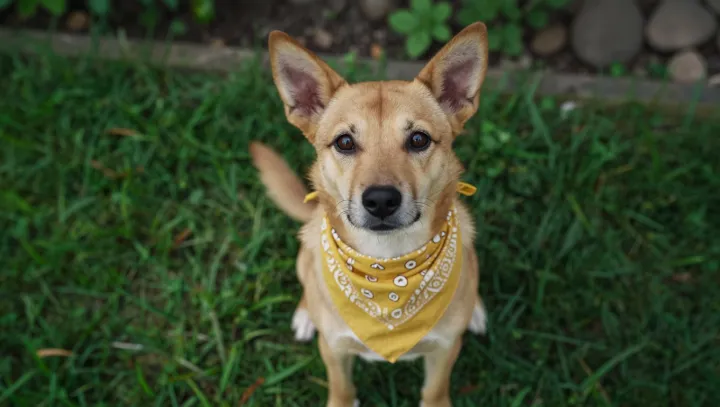
The park does not erase a dog's training; it exposes how much that training depends on its surroundings. At home, a cue may arrive amid familiar smells and sounds. Outside, the same word competes with passing dogs, moving bicycles and scents that can make sitting a less compelling choice.
The mistake is treating obedience as portable knowledge. Dogs learn through operant conditioning: behavior followed by a reward is more likely to occur again. Yet stimulus control matters too; a dog may respond to a spoken cue partly because it has learned that cue alongside the kitchen floor, a particular posture or a treat pouch. Generalization takes practice. A dog that sits reliably indoors may not recognize the park as another place where the same response pays. Distractions can also compete with the reward offered by a handler.
A better lesson starts below the dog's breaking point. Practice in a quiet outdoor spot, reward the desired behavior promptly, and gradually move closer to distractions as the dog succeeds. Keep sessions short. If the dog cannot respond, increase the distance or return to an easier setting rather than repeating the cue or using punishment. Food may work well, but access to a sniff or a chance to move can also reward behavior when appropriate. The aim is not a perfect performance on command everywhere at once; it is a cue that has earned its place among the park's many invitations. On the grass, the familiar word must find its meaning again.