
Top News
When an Empty Beach Becomes Vast
An empty beach gains force through immense scale, sparse sound, and light that continually redraws sand, water, and distance.
2026-09-28
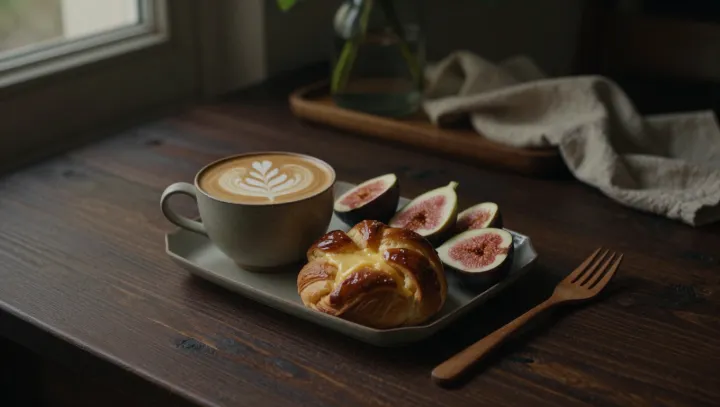
Figs and the Heat Logic of Flavor
Figs pair naturally with coffee and baked goods because their sugars, acidity, and jammy texture echo the flavor chemistry created by roasting and baking.
2026-09-28

Why the Crescent Moon Becomes a Banana
A crescent Moon can resemble a banana because pareidolia and top-down processing turn a spare illuminated curve into a quick, playful object.
2026-09-28
Travel
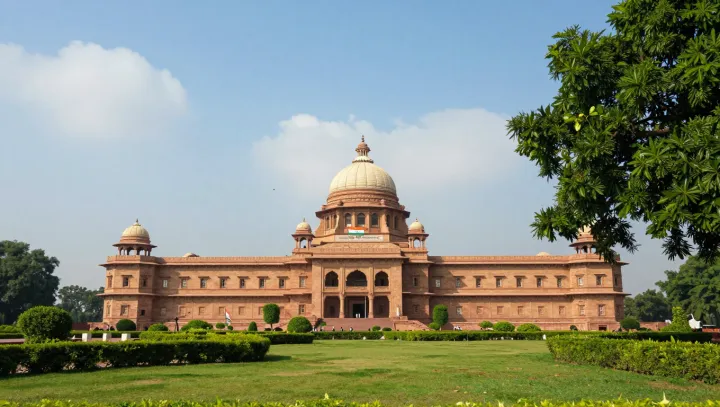
How Courtyards Kept Palace Rooms Cool
Open courtyards cooled palace interiors by combining shade, convective airflow, thermal mass, and nighttime heat release.
2026-09-28

How Stepwells Turned Rain into Refuge
Stepwells used runoff capture, aquifer recharge, depth, stone thermal mass, and evaporation to secure seasonal water and create cooler subterranean refuges.
2026-09-28

Why Thai Streets Feel Like Home
Thai streets combine low-cost commerce, close proximity, and repeated social contact, allowing food, errands, and neighborhood life to occupy the same public space.
2026-09-28
Art

Why Jellyfish Look So Calm in Art
Jellyfish appear calm in art because translucent anatomy, measured pulses, and deep-water associations remove detail while inviting projection.
2026-09-28

Why Pink Feels Unreal
Pink feels unreal when illustrators weaken visual certainty through low contrast, hazy gradients, and symbols that blur depth, scale, and emotional meaning.
2026-09-28

Why Tiny Animals Calm a Forest
A tiny animal can soften the perceived danger of a forest by offering a familiar scale, lowering threat appraisal, and directing attention toward manageable signs of life.
2026-09-28
Vehicle
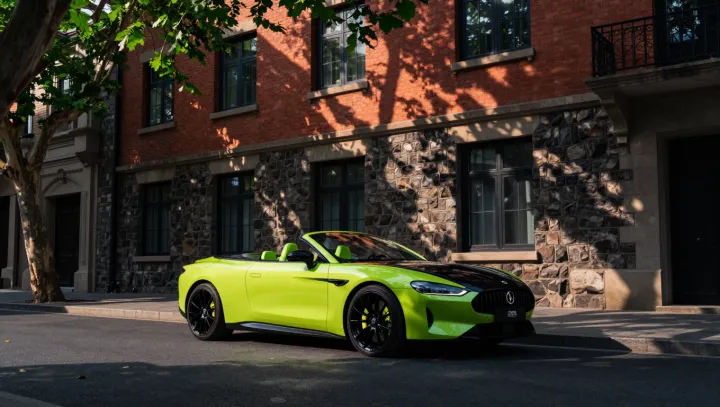
Why Green Cars Look Electric
Curved automotive panels intensify green by creating moving contrasts between specular highlights, shade, and reflected light.
2026-09-28
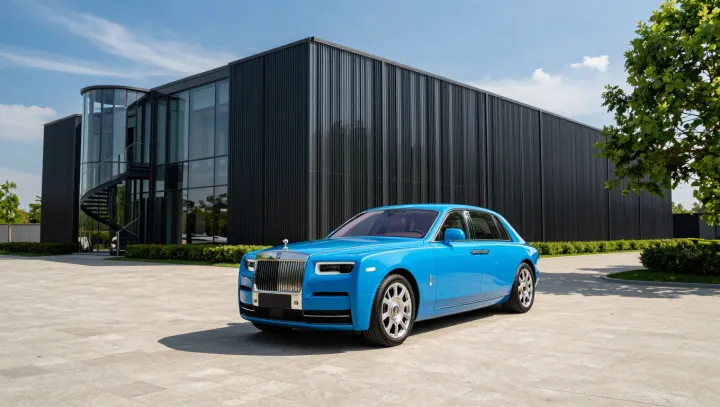
Why a Tall Front End Signals Luxury
A tall front end creates luxury by setting the cabin behind a long visual forecourt, using proportion and packaging cues rather than sheer size.
2026-09-28
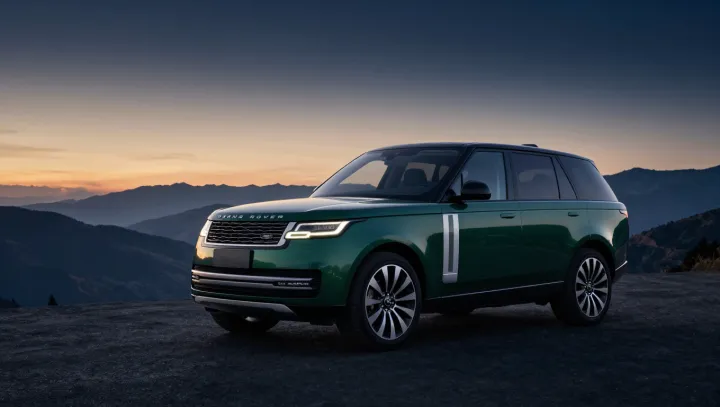
Why Full-Size Luxury SUVs Keep Winning
Full-size luxury SUVs thrive because they merge limousine comfort, practical family room, and a high driving position into one premium, flexible vehicle.
2026-09-28
Animals

Why Cats Return a Slow Blink
A cat's slow blink can reduce social pressure and invite contact, though context and the animal's choice remain essential.
2026-09-28
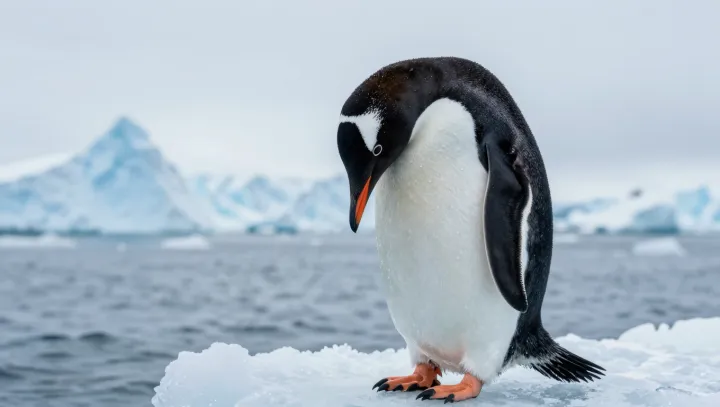
Why Penguins Comb Their Feathers
Penguins use beak combing to spread oil from the uropygial gland, reinforcing water-repellent plumage and preserving insulation in icy water.
2026-09-28

Why a Cat's Red Glasses Fool You
Cats may look scholarly in red glasses, yet their eyes favor motion, contrast, and low-light detection over sharp fine detail.
2026-09-28
Lifestyle

Daylight, Wood, and the Art of Calm
Soft textiles, warm wood, and controlled daylight create calm by directing sightlines and reducing visual friction, while excess display competes for attention.
2026-09-28

Why Warm Rooms Still Feel Cold
Warm decor fails when lighting, furnishings, and rugs send conflicting signals about hue, mass, and proportion. Visual unity, not color alone, creates comfort.
2026-09-28
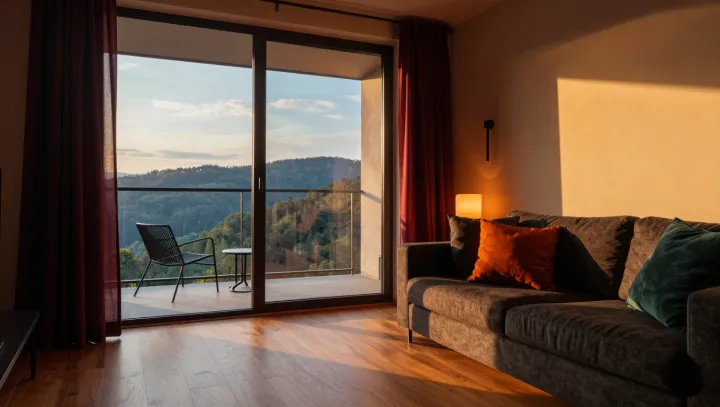
Why Warm Brown Feels More Inviting
Warm brown changes no air temperature, but visual processing, learned associations, texture, and lighting can make a room seem calmer, softer, and more sheltered.
2026-09-28
Science
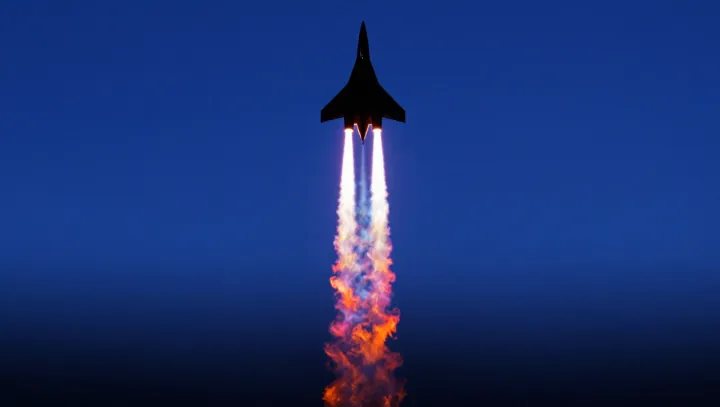
Fog Does Not Part for Sunbeams
Foggy shafts are visible because suspended water droplets scatter sunlight toward the eye. Mie scattering, extinction, contrast, and viewing geometry shape the effect.
2026-09-28
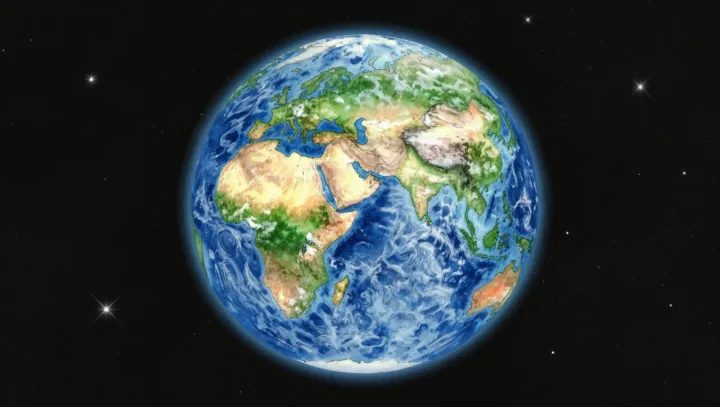
Earth's Blue Is a Thin Atmospheric Trick
Earth's blue appearance comes chiefly from Rayleigh scattering in an atmosphere extremely thin beside the planet, not from oceans alone.
2026-09-28

Arecibo's Binary Postcard
The Arecibo Message was a 1,679-bit binary display aimed at a distant star cluster, built to demonstrate mathematical decoding rather than start a conversation.
2026-09-27
Food
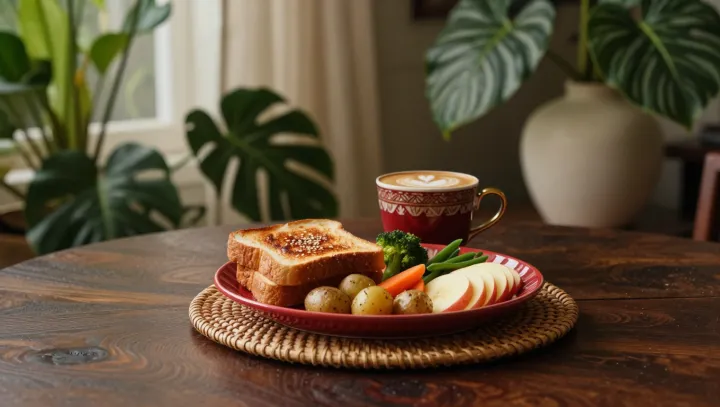
Pairing, Not a Bigger Breakfast
A balanced breakfast depends less on quantity than on pairing carbohydrates with vegetables and fruit for steadier energy, fiber, satiety, and broader nutrient intake.
2026-09-28
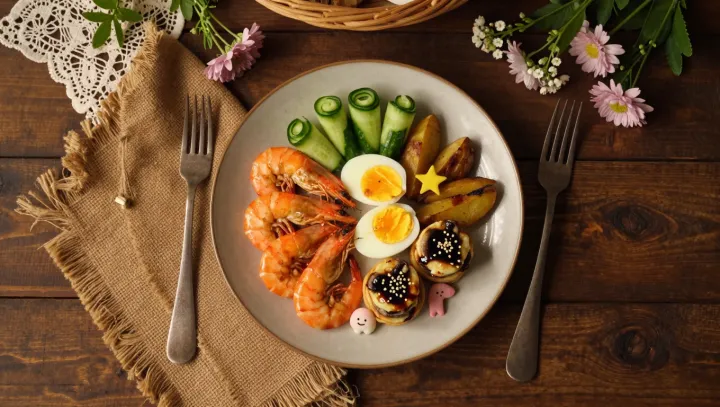
Breakfast Needs a Crisp Correction
Cucumbers and lettuce can add water, fiber, and meal volume to breakfast with few calories, helping build a more filling plate when paired with protein-rich foods.
2026-09-28
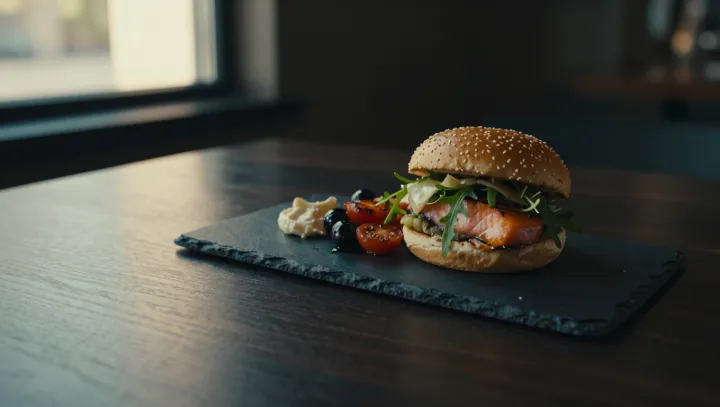
Why Salmon, Fruit, and Vegetables Satisfy
Smoked salmon, vegetables, and fruit can feel filling without heaviness because protein and fat slow gastric emptying while fiber adds bulk at a low energy density.
2026-09-27
Sport

Why Germany Plays in White
Germany's white football shirt reflects black-and-white Prussian sporting tradition, while black-red-gold belongs to a separate national and civic story.
2026-09-28

Purple and Gold as Work
Kobe Bryant made the Lakers uniform mean disciplined preparation, turning purple and gold from a visual identity into a demanding standard for individual and collective work.
2026-09-28

Balance Defines the Snowboard Jump
Snowboard jumps depend less on height than on centered balance, controlled edge release, body alignment, and coordinated landing absorption.
2026-09-28