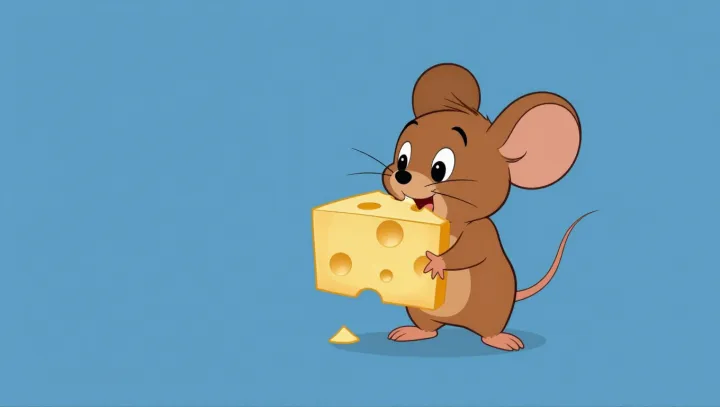
A silent chase across a living room keeps competing with looping memes and hypercut TikToks. A cat flies into a wall, a mouse walks away untouched, and modern viewers still laugh. The sequence bypasses language and targets systems in the brain that handle motion, threat, and prediction error long before any caption can load.
Visual slapstick exploits low‑level visual processing and the orienting reflex, pulling the gaze toward sudden shifts in speed, size, and direction. The gag structure builds a tiny model of cause and effect, then violates it, triggering prediction error and a spike of arousal. Relief comes when the brain rapidly updates its internal model with no real risk to the viewer. This converts physiological stress into play, a classic example of hedonic reappraisal within the reward circuitry.
Because the cartoon is almost wordless, it escapes the limits of working memory and linguistic bandwidth that modern feeds constantly overload. Expression, timing, and physical exaggeration lean on mirror neurons and basic social cognition: a cringe at pain, a flash of schadenfreude, a hint of justice when the aggressor backfires on himself. In a feed full of jump‑cut commentary and dense audio, a clean visual setup‑and‑payoff still feels like a rare moment in which attention is not only captured, but also given an uncomplicated place to land.