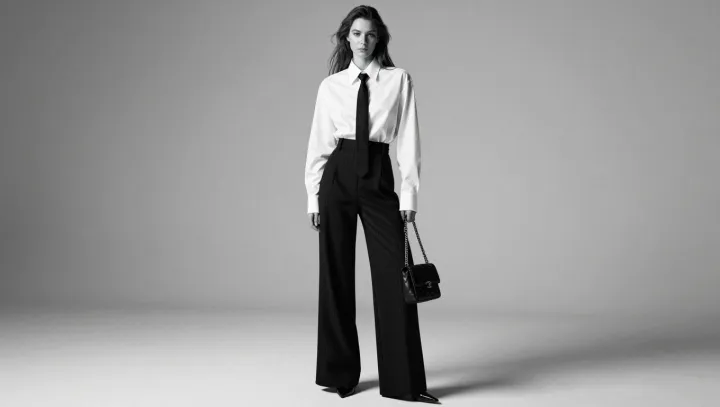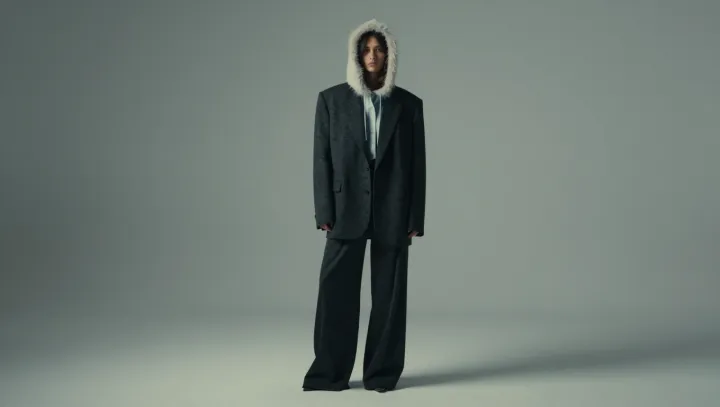
Street style lenses are no longer just recording Gigi Hadid; they are tracking a system. What once looked like a distant supermodel closet now behaves like a live experiment in what people will actually wear, measured in clicks, saves and sell‑outs rather than in runway applause.
Hadid’s off‑duty looks follow an almost economic logic of marginal utility: she repeats a narrow set of silhouettes, then varies texture, color and price point. Tailored coats over basic knits, straight‑leg denim, and pragmatic sneakers form a stable baseline, while one disruptive element – a bold bag, a proportion shift, a subtle logo – carries the risk. Because street photographers document every iteration, platforms and retailers can map which combinations trigger search spikes, cart additions and waitlists.
Over time, that feedback loop has turned her outfits into a pattern library for wearable fashion. High‑low price mixing widens the adoption base, while consistent proportions lower the cognitive load for consumers trying to copy the look. The result is a kind of slow, visible optimization: photographers now chase her not simply for the image, but because each outfit functions as a data‑rich case study in how trends move from a sidewalk sighting into a mass‑market habit.