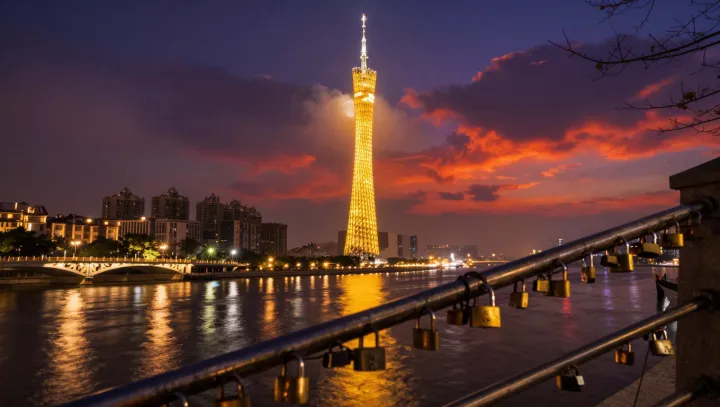
A metal lattice once labeled a useless skeleton now defines how cities announce themselves. The shift began when exposed steel frames proved faster to assemble, cheaper to maintain, and simpler to adapt than masonry. Open trusses reduced wind load, cut material mass, and allowed higher vertical reach without exotic alloys or complex cladding.
Tourism economics did the rest. Elevation plus a viewing platform turned dead air into paying floor space, maximizing revenue per square meter. Broadcasting antennas, elevator shafts, and restaurants shared the same vertical core, raising the structural efficiency ratio while lowering marginal cost for each added function. One silhouette created a complete business stack.
Governments and developers copied the formula. A tall steel frame, a branded crown, and a panoramic deck delivered instant skyline recognition and repeatable visitor throughput. Replication spread because the model solved three problems at once: structural stability, signal transmission, and national image. The so‑called useless skeleton became the default template for building identity in the sky.