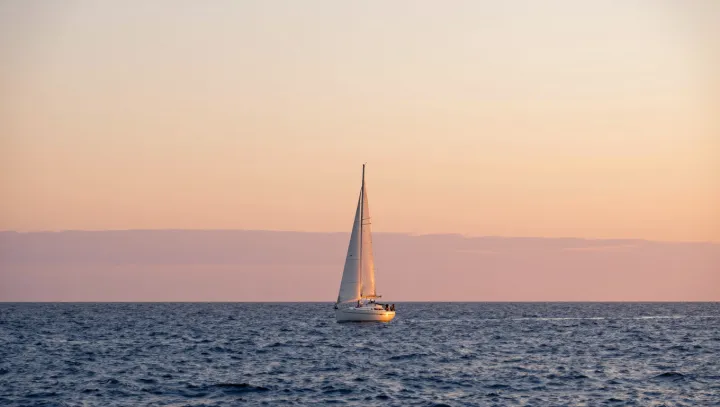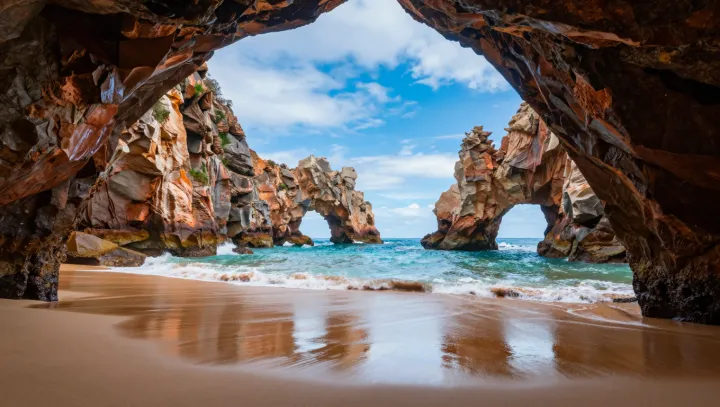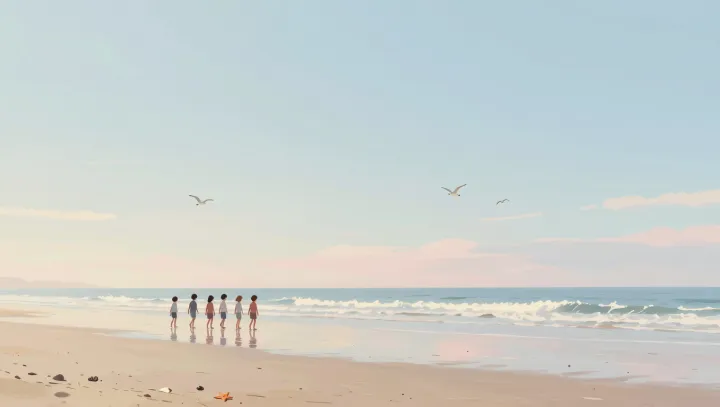
Salt air, shifting tides and a horizon line do something to a family that a living room full of plastic cannot. Environmental psychologists now argue that one focused week by the sea can deliver a stronger gain in children’s creative output and parents’ stress recovery than steadily adding toys or minutes of screen time at home.
The beach combines three mechanisms rarely present in domestic routines. First, blue space exposure changes autonomic nervous system balance, lowering sympathetic arousal and improving heart rate variability, a core marker of stress physiology. At the same time, irregular waves, shells and sand textures produce rich multisensory input, which increases sensory novelty and reduces cognitive entropy compared with repetitive digital stimuli. Family tasks such as building a sand structure or navigating a tide pool require joint attention and shared problem solving, which strengthens social bonding and trims parental allostatic load.
For children, open, unstructured play on a shoreline acts like a laboratory for divergent thinking. Studies using standard creativity tests show that contact with dynamic natural settings can raise fluency and flexibility scores more than exposure to new commercial toys. For adults, temporary removal from household demand cues allows the prefrontal cortex to downshift, supporting better emotional regulation once they return. When travel is concentrated into a single immersive week, these effects stack: physiological reset, enhanced attachment and a surge of imaginative play that domestic consumption rarely matches.