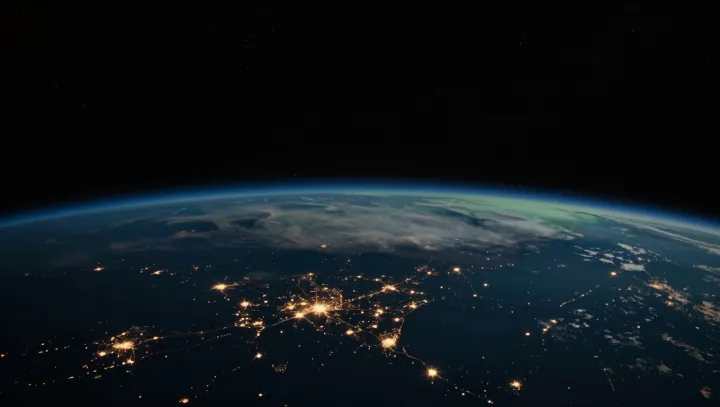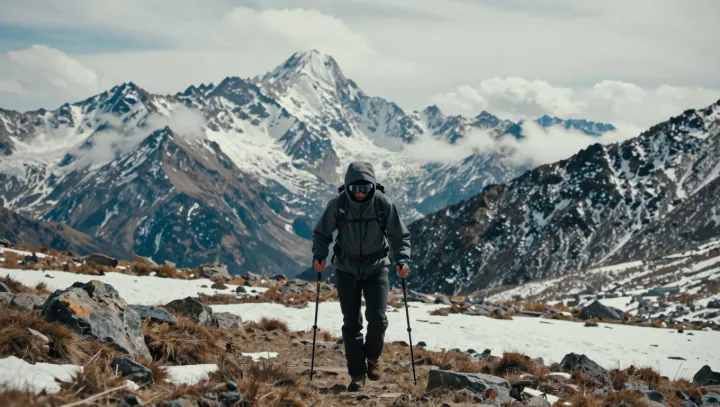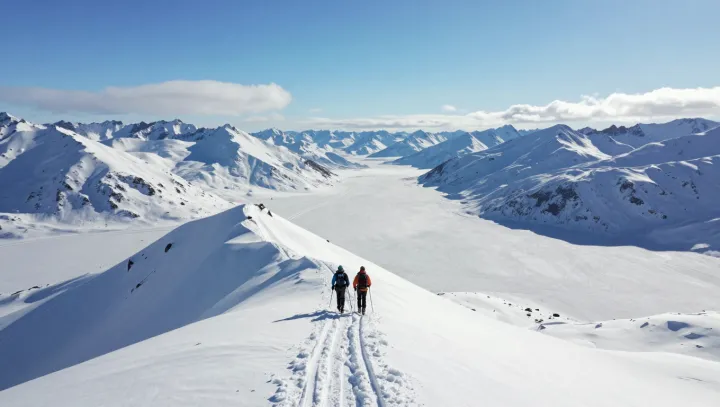
Snow crunches underfoot, air thins, and a calm screen on your phone quietly records a rare geometric status: your GPS chip now sits farther from Earth’s center than the phones of almost everyone else on the planet.
That position highlights a basic point of geodesy and gravitational potential that everyday language often flattens. “Highest altitude” means greatest radial distance from Earth’s center, measured against an idealized geoid. “Highest mountain,” by contrast, usually means greatest vertical relief from the surrounding terrain or the largest base‑to‑summit rise. Because the planet is not a perfect sphere but an oblate spheroid, and because local crustal thickness and isostatic equilibrium vary, those metrics do not always agree.
GPS receivers rely on trilateration and a reference ellipsoid to estimate your coordinates and ellipsoidal height, then convert that to height above the geoid using a geoid model. On certain high summits, that computed radial distance surpasses that of points on taller but differently situated peaks, even though popular imagination still crowns a single “highest mountain.” The phone in your pocket quietly tracks a different champion: the point that geometry, not folklore, places farthest from Earth’s center.