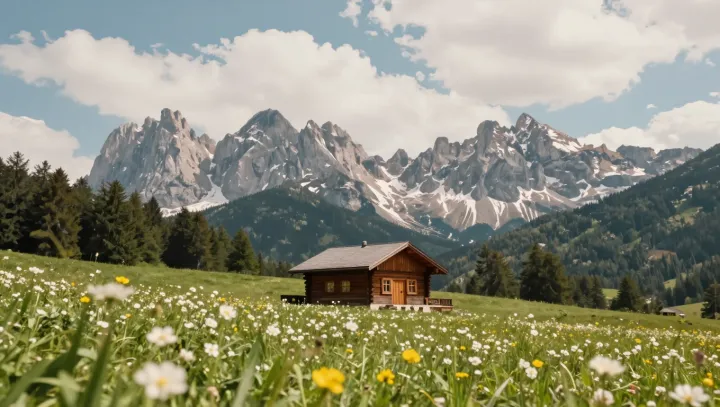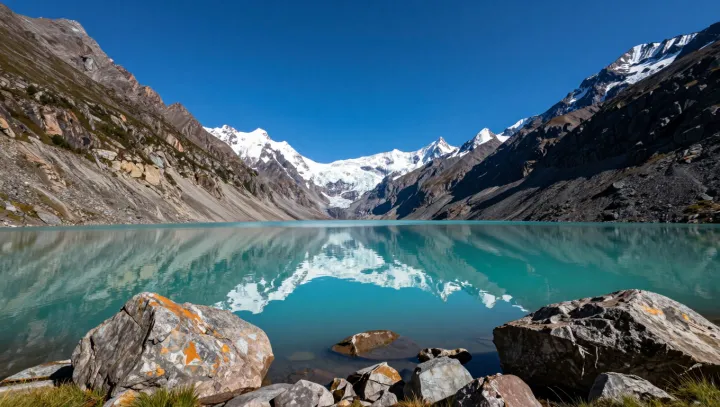
Thin mountain air, stretched daylight, and glacier‑cooled valleys collectively explain why seasoned hikers dismiss a seven‑day Banff–Jasper loop as anything but slow travel. Human physiology runs on adaptation curves, not itineraries, so the body spends much of that week simply negotiating new baselines before it can deliver stable performance on trail.
Altitude acclimatization is the first drag on the schedule. Reduced barometric pressure lowers arterial oxygen saturation and pushes up ventilation and heart rate, while hematopoiesis and capillary recruitment lag behind. That means early hikes feel harder, sleep is fragmented, and perceived exertion overestimates actual workload. Only after several continuous days do these cardiorespiratory responses approach a new steady state, narrowing the gap between effort and output.
Light patterns then add a second layer. Rapid changes in photoperiod disrupt circadian rhythm through shifts in melatonin secretion and core body temperature cycles. Hikers wake too early or too late, mis‑time meals, and blunt recovery. The result is a hidden entropy increase in the system: more fatigue for the same distance, and less cognitive bandwidth for navigation and risk assessment on technical terrain.
Finally, glacier‑fed microclimates keep rewriting what each hike feels like. Sharp temperature gradients, katabatic winds, and cold‑water–driven humidity swings force constant thermoregulation and clothing changes, altering basic metabolic rate and fluid needs day to day. By the time the nervous system has mapped how these moving parts interact across valleys and passes, the typical visitor is already packing to leave.