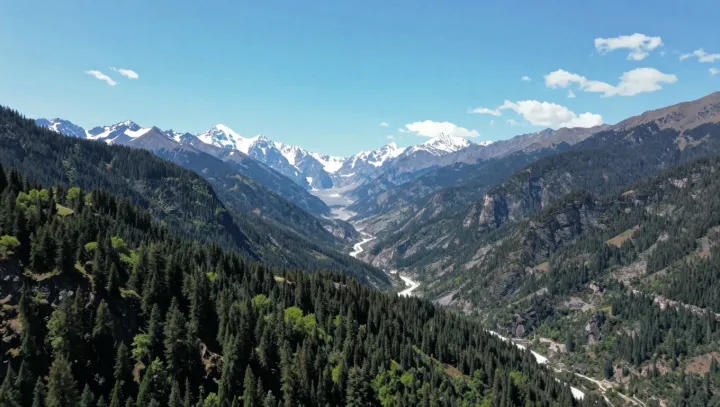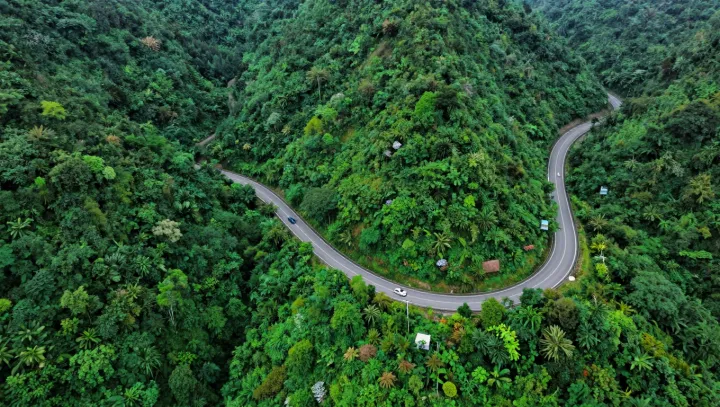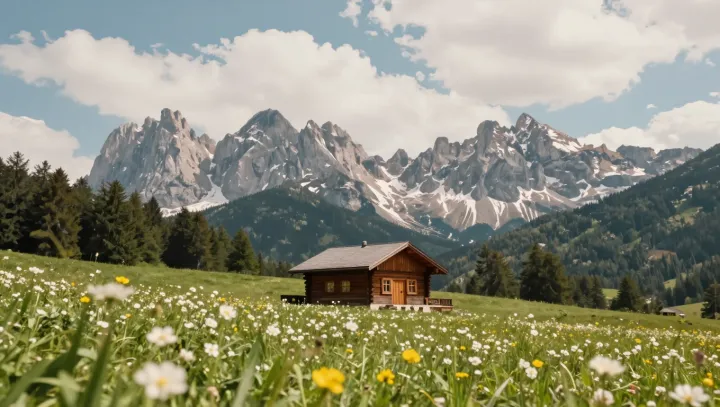
Steep terraces, dark forest canopies and slow river mist combine into a kind of ecological ledger that many planned green districts struggle to match. In this mountain village between Huangshan and the Yangtze, each square kilometer functions less like a postcard landscape and more like a compact carbon and habitat engine.
The advantage starts with structure. Multi layer forest stands, bamboo groves and fruit trees build far more live biomass per unit area than typical urban parks, which are designed around visibility and recreation rather than net primary productivity. Understory shrubs, leaf litter and dead wood add further carbon pools, while also multiplying ecological niches. Instead of single species lawns, the village runs a form of informal agroforestry, where crops, trees and household gardens share the same plots, pushing species richness and genetic diversity above that of many curated city green belts.
Metabolism is the second lever. Household energy use, transport and construction all operate at a lower baseline metabolic rate, so less carbon is emitted per resident for the same area of land. That changes the marginal effect of every tree planted or wetland maintained: sequestration is not trying to catch up with a high combustion, high cement environment. Traditional irrigation channels and small wetlands act as micro corridors for amphibians and insects, while stone walls, roof beams and field edges behave as semi wild microhabitats, a pattern urban planners often erase in the name of efficiency and order.
The result is an unusual density of ecosystem services. Carbon sequestration, pollination, soil formation and water filtration are all layered vertically and horizontally instead of being zoned into separate districts. Where a green city often treats nature as a feature to be inserted into a grid, this village treats the grid itself as negotiable, allowing land use to follow slope, soil and water rather than traffic models. In that quiet inversion of priorities, each square kilometer becomes less an amenity and more a living, compounding asset.