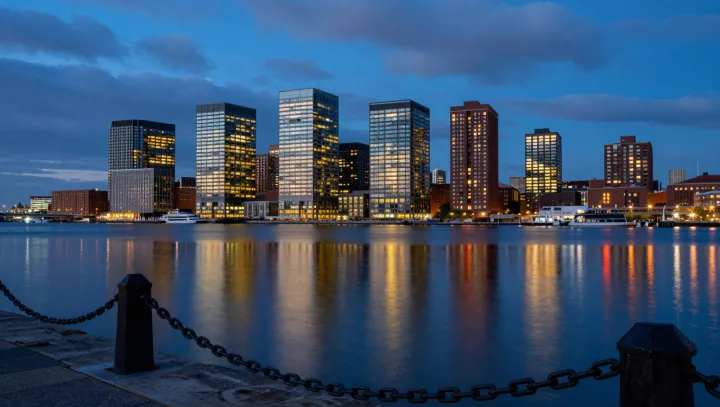
Brick underfoot, glass overhead, the harbor insists that sports were never just games here. Cobblestones laid for cargo now funnel supporters toward stadium screens, while former warehouse walls frame sightlines for temporary stands and fan zones that sit almost where merchant ships once docked.
The blunt truth is that anger over tea did more than send crates into the water; it detonated a model of imperial trade that had locked this waterfront into a narrow commercial function. By challenging monopoly charters and customs control, the protest forced new local institutions to manage tariffs, dredging and quay expansion, and those bodies later funded broader harbor works, transit links and public quays instead of serving a single trading company.
Equally underrated is how that confrontation turned the harbor into a civic stage long before it hosted sport. Mass meetings, pamphlet battles and boycotts made the waterfront a shared political arena, and city planners later leveraged that habit of assembly when they zoned open plazas, pedestrian corridors and mixed-use piers that could flip from weekday logistics to weekend spectacle with minimal retrofitting.
What now looks like a seamless skyline of colonial brick and reflective curtain wall is, in practice, an inheritance of that tax dispute. The same shoreline once ringed by customs houses now supports transport nodes, broadcast compounds and security perimeters, allowing a football tournament to plug into a harbor whose original experiment in self-governance turned a working port into a flexible public stage.