A plain glass of cool water does a harder job than a frosty soda. Against extreme heat, the body is not chasing flavor but fluid balance and thermal control, and that is exactly where unsweetened water fits the brief almost perfectly.
Key is chemistry, not chill. Cool water has low osmolality and slips across the intestinal wall through aquaporins and sodium‑glucose transporters without dragging in a heavy load of dissolved solids, while a sugary drink creates a dense solution that the gut must first dilute, slowing gastric emptying and delaying the rise in plasma volume that actually rescues your circulation.
Even the brain plays favorites. Hypothalamic osmoreceptors and baroreceptors shut down thirst when blood becomes less concentrated and volume recovers, signals that plain water restores cleanly, yet a large sugar hit spikes plasma glucose, triggers insulin release, and can leave you with reactive fatigue rather than the clear, light sensation that people describe as feeling refreshed.
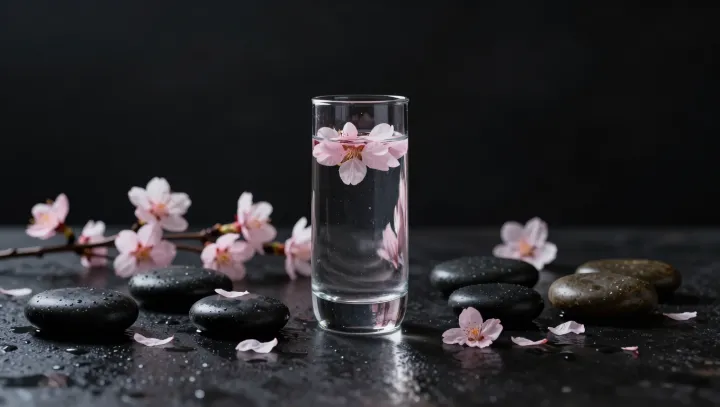
Cold itself can even backfire. Very icy fluid provokes transient vasoconstriction in the mouth and upper gut and may cause gut discomfort, while a moderately cool glass glides down, allows steady sweating and heat loss by evaporation, and the floating petals only hack your senses, offering aroma, color and a ritual pause that convince your brain the body has truly cooled.