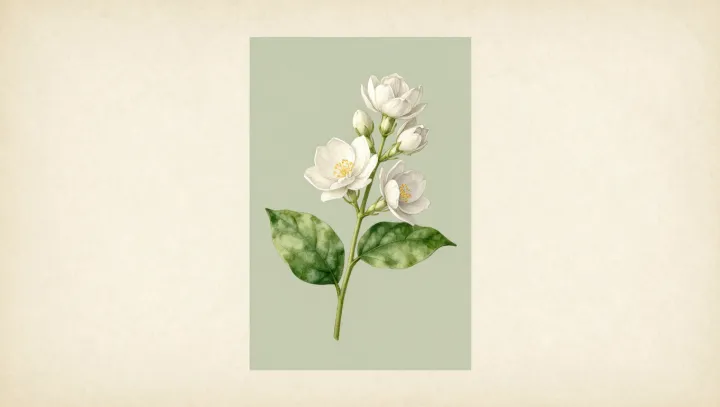
Elegance, in a magnolia, is a trick of history. The white bloom that looks almost fragile is built on one of botany’s oldest architectural blueprints, a flower form that predates bees and still carries the hardware for beetle pollination. Instead of the layered complexity seen in many garden favorites, the magnolia leans on a robust central column and simple surrounding parts that read as purity to the human eye.
Central to that effect is a thick, cone-like receptacle packed with spiraled carpels and stamens, an arrangement botanists class as primitive yet one that delivers remarkable mechanical stability and reproductive insurance. Those carpels are sealed and leathery, adapted to withstand chewing beetles, and their tough ovule-bearing walls turn what might seem like a soft blossom into a fortified structure that protects developing seeds while still presenting a clean, sculptural silhouette.
Even the petal-like organs, technically tepals, argue against the idea of fragility. They are waxy, fibrous, and supported by vascular bundles that manage water transport and turgor with the efficiency of a well-designed hydraulic system, holding their form through heat and wind. Out of this ancient toolkit of spiraled meristems, armored carpels, and generalized tepals emerges the magnolia’s calm white geometry, a reminder that refinement often rides on very old bones.