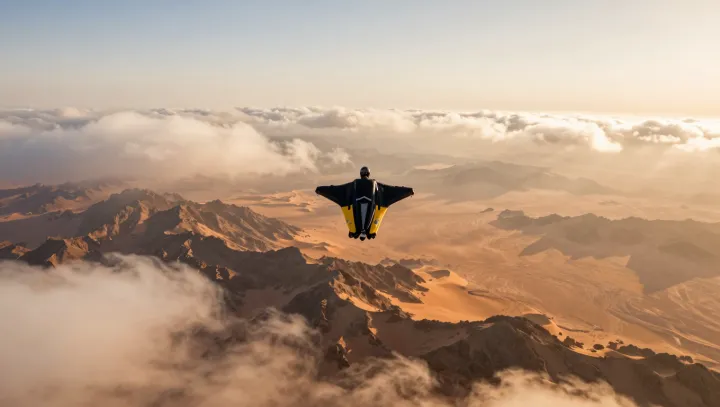
The wingsuit itself is not the villain; the problem is how close it lets the human body move to hard things. Cloth surfaces add lift, extend glide, and tempt pilots toward rock walls and ridgelines where almost no error budget exists.
Regular skydiving is boringly safe by comparison. Jumps happen high above the ground, with clean vertical freefall, stable terminal velocity, and long deployment windows for modern ram‑air parachutes, all wrapped in standardized exit and emergency procedures that have been refined for decades.
Wingsuit flying shreds those margins. To keep enough airspeed for lift, pilots must hold a narrow angle of attack; a small pitch change, a brief stall, or a gust near terrain can erase glide and drive the flyer straight into rock at highway‑to‑jetliner impact energies.
Proximity lines add one more trap. Visual cues rush past so fast that human reaction time, vestibular processing, and depth perception cannot keep up, turning a tiny misjudged trajectory into an unrecoverable collision before a hand can even reach for a deployment handle.