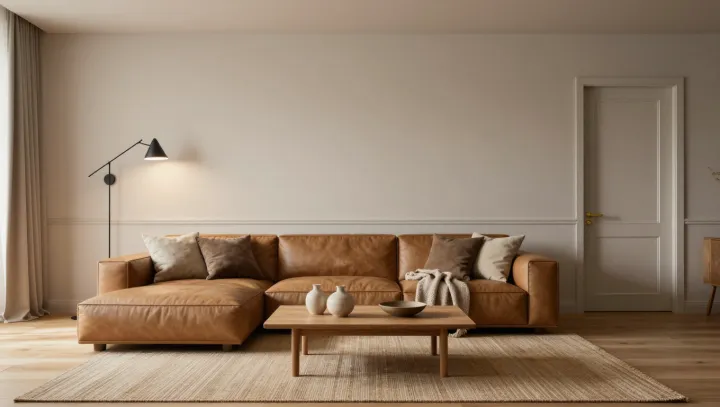
One clean, generous living room often earns more money than a hacked-in extra bedroom. Agents see it in the numbers. Listings with strong daylight, clear sightlines and a coherent seating zone tend to draw higher offers per square foot than similar homes chopped into small, door-heavy compartments sold as “three-bed” or “four-bed” trophies.
The logic is blunt. Buyers pay for perceived volume, not just doors. Remove a wall to enlarge a living room and the eye reads a larger cubic space; appraisers talk about functional obsolescence when circulation is blocked, even if the raw square footage is high. Good living rooms anchor social use, align with biophilic design by maximizing daylight factor, and support flexible furniture layouts that extend their utility across work, leisure and entertaining.
The fake bedroom, by contrast, is a value trap. It often violates egress or minimum-size standards, complicates HVAC performance, and forces corridors that waste area while darkening the core. A well-edited plan that protects one luminous, breathable living room signals quality, honesty and long-term livability, which modern buyers quietly price into every bid.