Why extra speed can eject a satellite

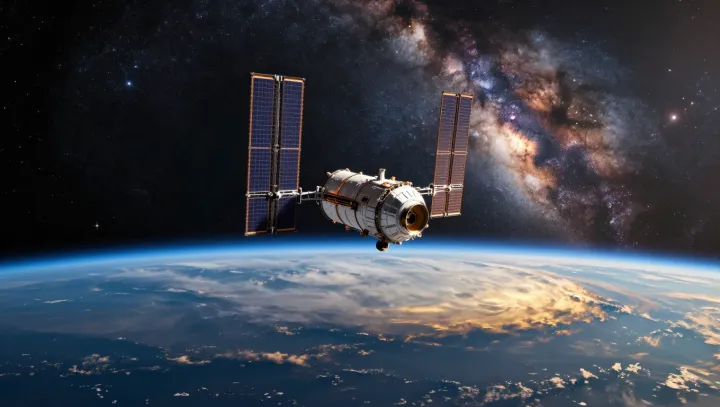
An orbit is not about going fast. It is about going exactly the right sideways speed so gravity bends the path into a closed curve instead of a crash or an escape.

An orbit is not about going fast. It is about going exactly the right sideways speed so gravity bends the path into a closed curve instead of a crash or an escape.

A report on how hydrangeas, long seen as dated decor, have become a modern symbol of resilience through pruning, soil shifts, and pH-driven color change.
2026-08-27

A nearly bare studio with one ivory dress often signals stronger timeless elegance than overloaded fashion sets, because minimal visual noise sharpens memory, emotion, and perceived value.
2026-08-26

Cosmos survives glare and poor soil by using ultra-thin, pigment-packed petals as optical filters that manage photon flow, protect tissues, and redirect light toward photosynthesis.
2026-08-28

A subtle gesture, like a lowered gaze and a tilted fan, can activate fast visual circuits and mirror neurons, delivering emotional information more precisely than descriptive text.
2026-08-28

Ultra-low supercars gain stability in crosswinds because their ground-hugging bodies and underbody aerodynamics convert side gusts into extra downward force rather than lift.
2026-09-02

Sparse objects on a table reduce visual noise, lowering cortical processing demands and freeing working memory compared with cluttered, colorful interiors.
2026-08-31

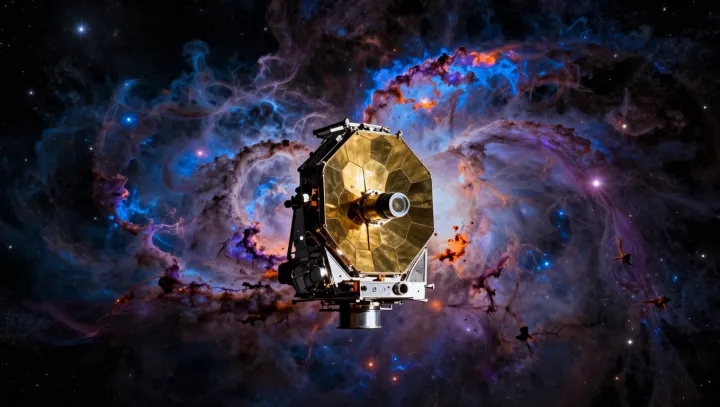
Light travels at a finite speed, so a gold-mirrored space telescope records ancient photons from distant galaxies, capturing them as they were when the light left, not as they are now.
2026-08-28

Spiral galaxies stay intact because massive, invisible dark matter halos stabilize rotation and amplify density waves that shape their elegant arms.
2026-08-31

New research suggests birthday treats exploit reward circuits tuned to social celebration cues, shifting blame from weak willpower to hard‑wired neural learning.
2026-09-07

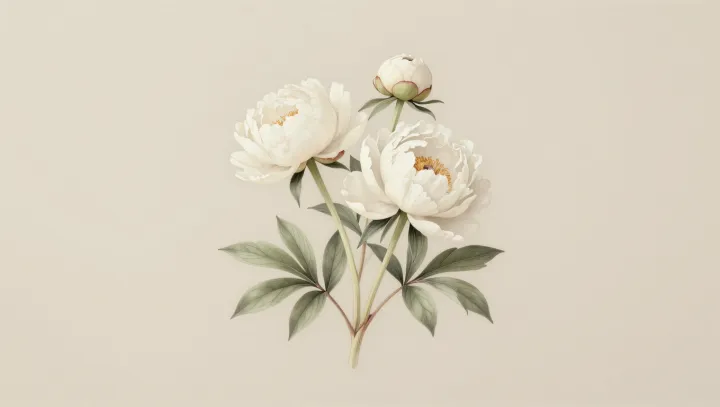
Once treated as decoration, detailed floral prints now serve as data archives, preserving morphology and phenology that scientists mine to study climate change and plant evolution.
2026-08-28