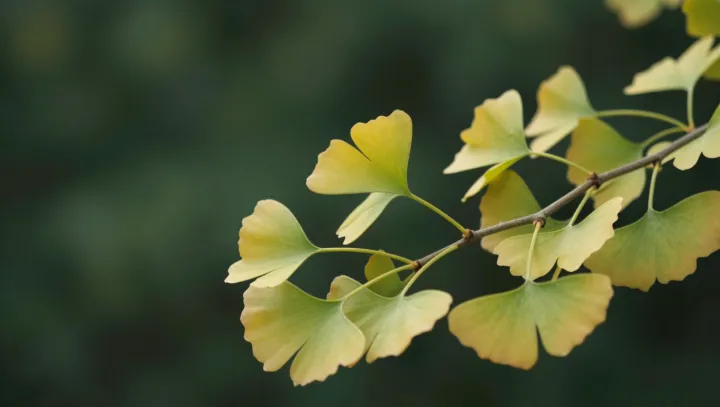
The ginkgo breaks a tree convention: its sperm swim. Beneath the familiar fan-shaped leaves, reproduction combines windborne pollen with a much older means of reaching an egg, one shared with ferns and mosses. The result is neither fern nor ordinary tree, but the sole living species of a once more diverse plant lineage.
The journey is less direct than it looks. Male trees release pollen, which the wind carries to exposed ovules on female trees. A pollination drop helps draw a pollen grain inside, where it germinates and grows a pollen tube. Unlike the tubes of most seed plants, this one does not deliver sperm directly into an egg. Instead, it grows into surrounding tissue and helps nourish the developing male cells. The distinction matters. The tube is a staging area, not a delivery pipe.
The final crossing belongs to the sperm themselves. Two large sperm cells develop inside the pollen tube, each equipped with thousands of flagella that propel it through fluid after the tube releases them near the archegonia, the structures containing the eggs. One sperm can then enter an archegonium and fertilize an egg, beginning the formation of an embryo within the seed. Ginkgo is not alone among seed plants in this arrangement: cycads also produce swimming sperm. Yet its combination of airborne pollen and motile sperm exposes a meeting of reproductive strategies that are often treated as separate chapters in plant evolution. Under a still canopy, a tiny swimmer completes the crossing.