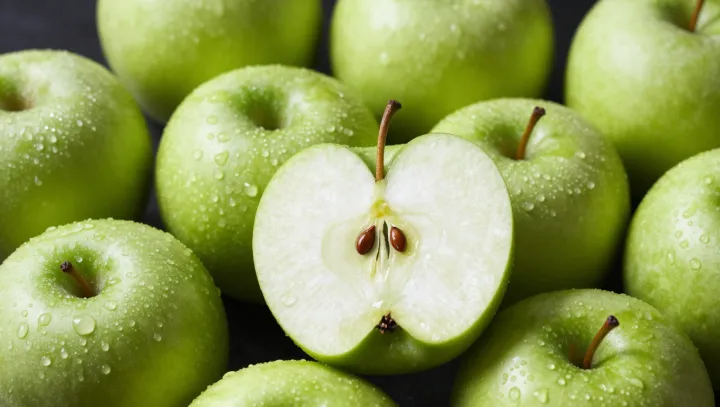
The peel makes the distinction. Red apples owe much of their color to anthocyanins, pigments concentrated in the skin, while green apples retain more visible chlorophyll. Yet color alone is a poor nutritional scorecard: both kinds provide fiber and vitamin C, and their precise composition depends on variety and growing conditions.
The skin earns its place. It contains fiber and polyphenols, a family of plant compounds that includes anthocyanins, so peeling an apple removes some of these along with the pigment. The flesh still offers nutrients, including fiber, but a peeled apple does not deliver the same mix as the whole fruit. Vitamin C content also varies, and some is lost when the skin is discarded. These differences do not make a red peel a guarantee of superior health; research on individual compounds cannot establish that one apple color prevents disease better than another.
Sweetness deserves more skepticism. A tart green apple can taste less sugary than a red one, but taste reflects acidity as well as sugar, and neither color reliably predicts the amount in every variety. Size matters too: a larger apple generally supplies more total sugar and fiber than a smaller one. Choose the variety you enjoy, and wash it under running water before eating; peeling remains an option when texture or digestion makes the skin unwelcome. On the plate, the bright ribbon of discarded peel is a reminder that the neatest choice is not always the whole one.