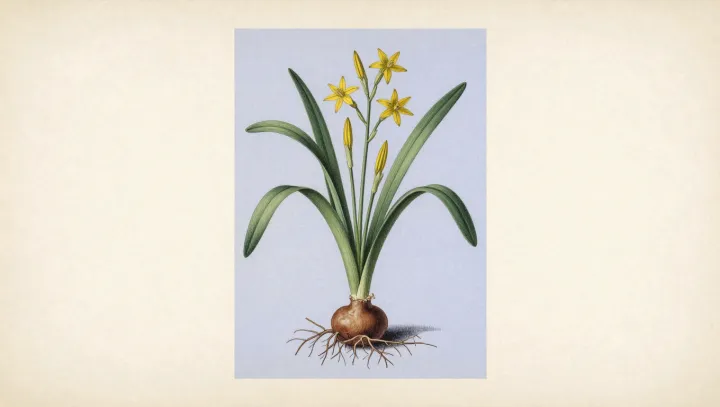
A yellow flower can be more conspicuous to a bee than it is to the human eye. The difference lies in ultraviolet light: some petals absorb it near their centers and reflect it toward their edges, producing patterns that humans cannot see unaided. Color is only the beginning.
The bee's view is not merely a brighter version of ours. Its eyes contain photoreceptors sensitive to ultraviolet, blue and green wavelengths, while human color vision generally responds to longer wavelengths and excludes ultraviolet. Pigments and the structure of petal surfaces can affect how that light is absorbed or reflected. In some flowers, the result is a dark center surrounded by a lighter rim, a pattern often called a nectar guide. Other flowers display stripes or spots. These markings are not instructions in the human sense, but experiments have shown that bees can use floral patterns to find rewarding parts of flowers. The reward is not guaranteed: nectar and pollen supplies vary, and some flowers offer none.
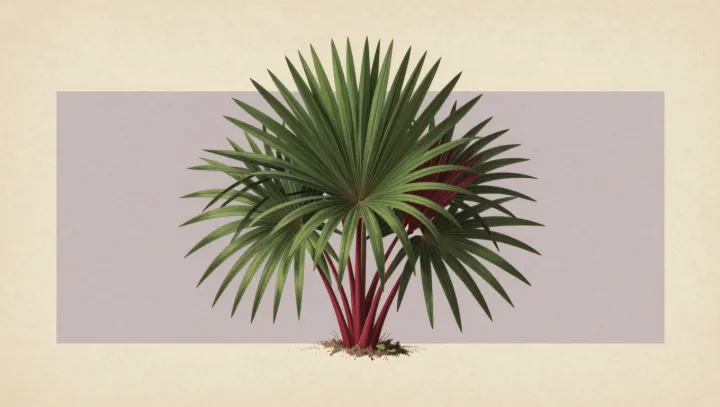
The plant's underground parts tell a less visible story. In the botanical illustration, slender leaves frame star-shaped yellow blooms, while an exposed underground stem and roots show structures involved in growth and resource uptake. The picture alone cannot establish whether these particular petals carry ultraviolet markings; that would require suitable imaging or measurement. For flowers that do bear such guides, a bee drawn toward the center may brush against pollen-bearing anthers and later deposit pollen on another flower's stigma. The bee gets a meal; the plant may gain a means of reproduction. On the page, the petals remain yellow, withholding their other appearance.