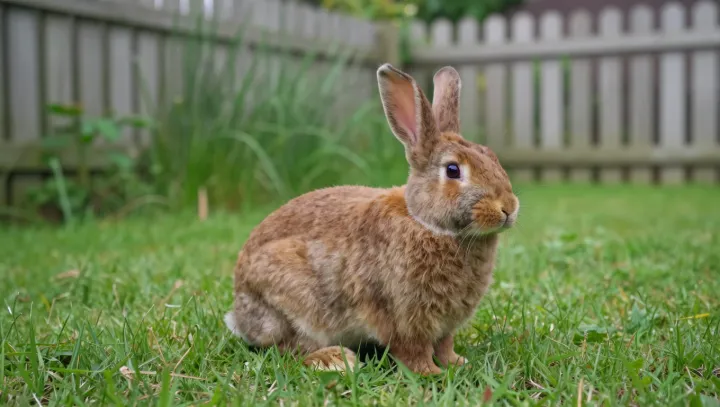
The rabbit's least appetizing meal is one of its most useful. Sitting in the grass, ears upright and body compact, the domestic rabbit depends on a second passage through its gut to recover nutrients from plants. What looks like waste is, in fact, part of dinner.
Grass is a difficult bargain. Its tough cell walls contain cellulose, which rabbits cannot break down with their own digestive enzymes. Much of the finer plant material passes into the cecum, a pouch where microbes ferment it and produce compounds the rabbit can use. But this fermentation takes place beyond the small intestine, where many nutrients are normally absorbed. The rabbit has a workaround: it packages some of the cecum's contents into soft, mucus-coated pellets called cecotropes, which it usually takes directly from its body and swallows whole. Ordinary hard droppings are another matter; they consist largely of indigestible fiber and are generally left behind.
This second meal is no accident. Cecotrophy, the eating of cecotropes, sends microbial protein and vitamins, including B vitamins, back through the digestive tract, giving the small intestine another chance to absorb them. The mucus coating helps protect the microbes and their contents as they pass through the stomach. A rabbit needs plenty of grass hay to support normal gut movement, while an excess of rich food can contribute to uneaten cecotropes. Persistent changes in droppings or appetite warrant a veterinarian's attention. In the grass, the rabbit's stillness conceals a busy economy of second chances.