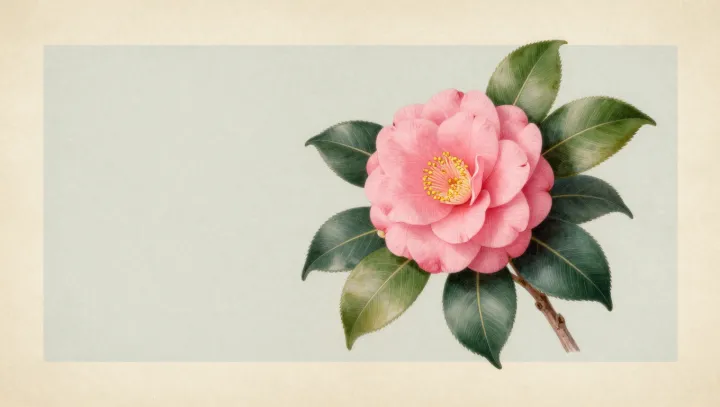
Pink calla lilies are not lilies at all. Their name misleads. The plants belong to the arum family, alongside philodendrons, while true lilies occupy a separate family. The distinction is more than botanical housekeeping: what looks like a single trumpet-shaped flower is an arrangement of leaf tissue and many small flowers.
The apparent petal is the real trick. Called a spathe, it is a modified leaf that wraps around a central spike, or spadix, bearing tiny flowers. This pairing is a hallmark of the arum family, Araceae, although its appearance varies widely among members. Philodendrons share the same basic arrangement, even if their spathes seldom resemble the polished pink funnels sold by florists. The resemblance is not an accident. These plants inherited the architecture from a common ancestor, and their classification reflects that shared ancestry rather than the impression made by a familiar name.
True lilies tell a different story. Members of the family Liliaceae, they produce individual flowers with six prominent tepals, structures that look much like petals. Calla lilies, by contrast, belong to the genus Zantedeschia; their pink color comes from the spathe, not from a ring of oversized petals. Genetic evidence and shared structural traits place them with other arums, including philodendrons. Names travel lightly. On a florist's stem, the pink curve still holds its secret in plain sight.