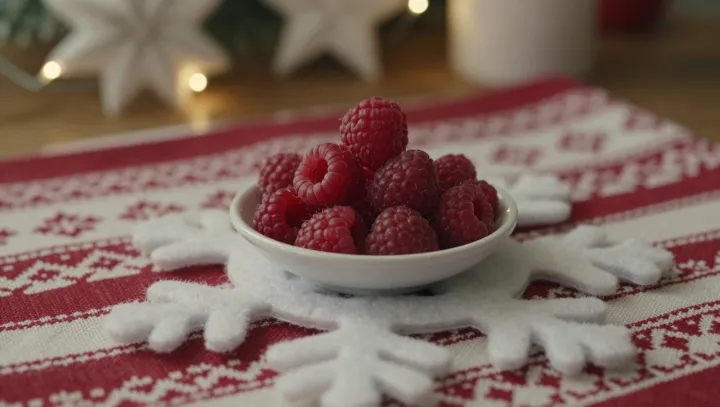
The resemblance between raspberries and mulberries hides a botanical divide. One comes from a single flower; the other grows from a cluster of them. The distinction matters at the table, too: raspberries are often tart, while mulberries tend toward sweetness, though flavor varies with variety and ripeness.
The raspberry is a lesson in cooperation within a single flower. Its many ovaries develop into tiny, seed-bearing units called drupelets, which gather around a central receptacle. Botanists call the result an aggregate fruit. Pick a ripe raspberry and the receptacle usually stays on the bramble, leaving the fruit hollow. Its familiar shape is not the work of many blossoms, but of many ovaries acting together.
The mulberry follows a different design. Its flowers are packed into an inflorescence, and their developing fruits, together with surrounding floral tissues, grow into a single structure called a multiple fruit. The central core generally remains attached when it is picked from the tree. These arrangements reflect different patterns of flower development, shaped over evolutionary time; there is no need to assume that one arrangement is universally superior. Side by side, the fruits offer a quiet reminder that nature can arrive at a similar shape by remarkably different routes.