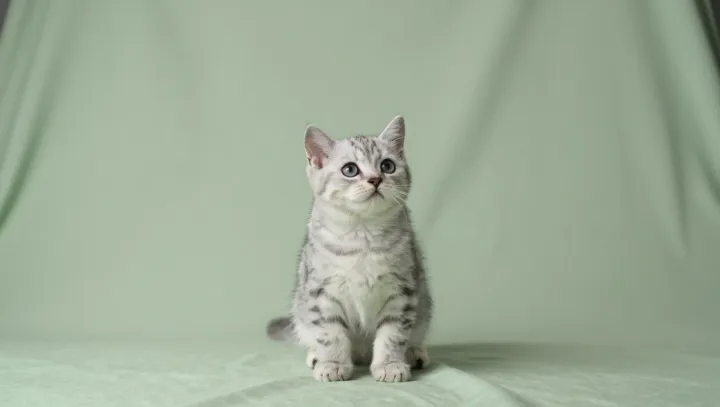
Soft fur against bare concrete is not the paradox here. The real twist is that a kitten with no prior sense of “home” can sprawl in a hollow studio as if it owned the lease, because its brain has already reclassified novelty from emergency to background noise.
Calm is not kindness. Calm is circuitry. During the early socialization window, repeated gentle handling tunes synaptic plasticity inside the amygdala and prefrontal cortex, so that unfamiliar cues are tagged as low salience instead of high alarm. Cortisol spikes shrink. Baseline heart rate steadies. With each quiet lift, each slow stroke, sensory input pairs with the absence of pain or threat, and habituation carves a stable prediction: new hands, new smells, new walls usually mean nothing bad happens.
Fear, in that context, becomes a learned exception, not the default. The hypothalamic–pituitary–adrenal axis still exists, ready to flood the body, yet its threshold for activation rises because prior experience kept rewarding curiosity over retreat. So the empty studio, echoing and strange to human eyes, fits an existing internal model: unknown but not hostile. The kitten’s stillness is not bravery and not magic. It is early gentle data, written into neural code, doing exactly what it was trained to do.