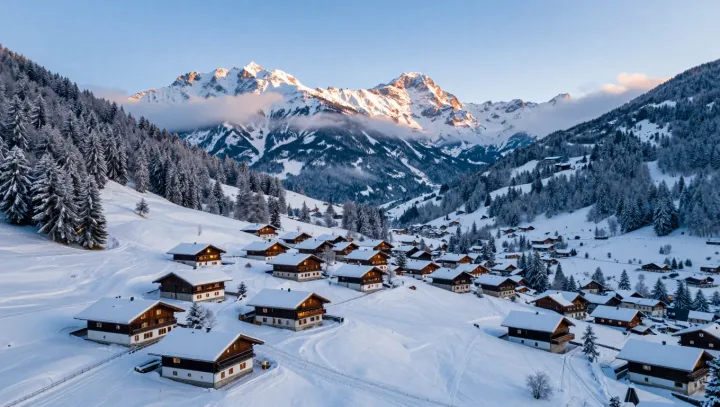
Thin air is not the enemy; sloppy physiology is. In high‑altitude mountain villages, the air holds up to a third less oxygen, yet daily life looks routine, because bodies there are quietly rewired. Rapid breathing and racing hearts dominate the first days of a newcomer’s stay, but long‑term residents show a different baseline: slightly faster resting ventilation, yes, yet without the panicked sense of air hunger that tourists report.
The real training ground is blood. Higher hemoglobin concentration and increased hematocrit boost the oxygen‑carrying capacity of each liter of blood, while chronic hypoxia nudges the kidney to release more erythropoietin, expanding red blood cell mass. Capillary density in skeletal muscle rises, shrinking the distance oxygen must travel by diffusion. Mitochondria become more efficient users of each oxygen molecule, trimming wasteful energy pathways that would be unaffordable in thin air.
Still underrated is the brain’s role. The respiratory control center in the medulla recalibrates its response to carbon dioxide and low arterial oxygen, so breathing stays slightly deeper without triggering the alarm signals that feel like suffocation. Over generations, genetic variants in pathways such as hypoxia‑inducible factor regulation fine‑tune this response, limiting excessive blood thickening while preserving oxygen delivery. What looks like effortless calm on a steep village path is, under the skin, a continuous, disciplined negotiation with scarcity.