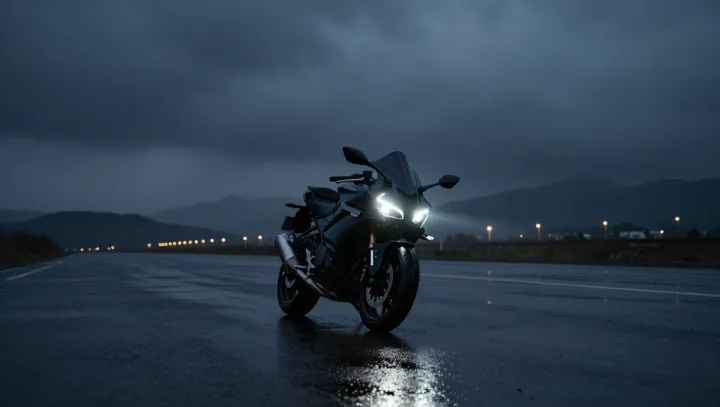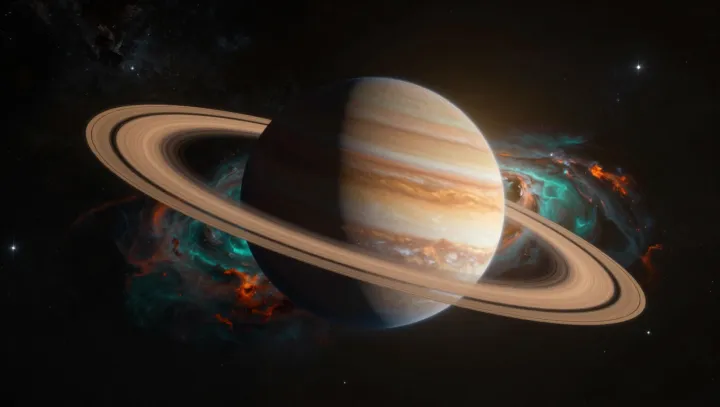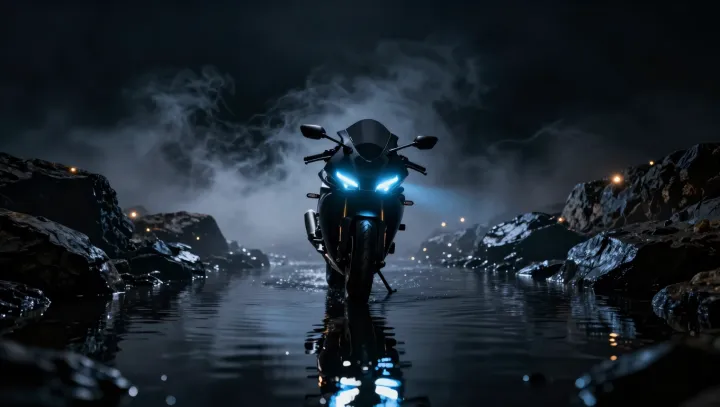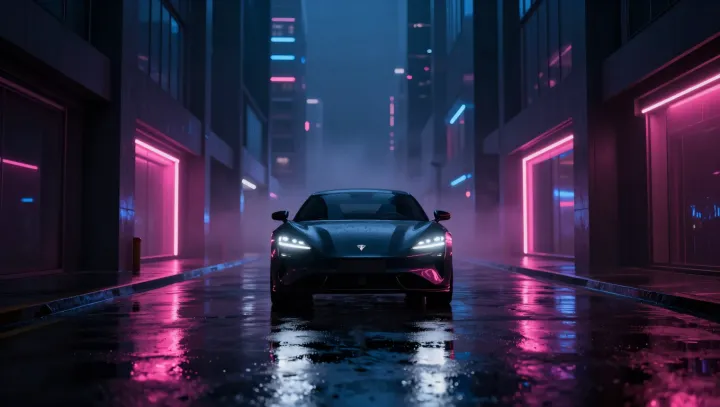
A wet, neon-smeared windshield is a harsher test than the vacuum beyond orbit. Apollo guidance computers faced clean equations; road scenes hit modern chips with chaotic photons, reflections, and partial occlusions that push perception algorithms to their limits.
The blunt truth is that raw compute is cheap while understanding is expensive. Apollo trajectories reduced to a few differential equations and predictable Newtonian dynamics, so limited memory and clock speed were enough. A self-driving stack must infer depth, intent, and semantics from high-dimensional sensor streams using convolutional neural networks and probabilistic sensor fusion, then act within milliseconds.
Machine vision, for all its benchmarks, is still brittle. Rain on a lens corrupts pixel distributions, neon signs saturate camera sensors, and headlight glare breaks the assumptions behind feature extraction and object detection. Training data skews toward clear conditions; rare edge cases, like a pedestrian in dark clothing crossing between glossy puddles and chrome bumpers, expose how little redundancy sits behind those impressive TOPS numbers.
What looks like wasted silicon is really a tax on ignorance. Much of the compute in an autonomous car compensates for imperfect sensors, lossy compression, and the statistical guesswork of deep learning instead of grounded, closed-form models of the world. Guidance to orbit asked computers to solve well-posed physics; guidance through a crowded, wet intersection asks them to decode human behavior, optical clutter, and atmospheric noise, all at once, with no guarantee that the scene even resembles anything they have seen before.