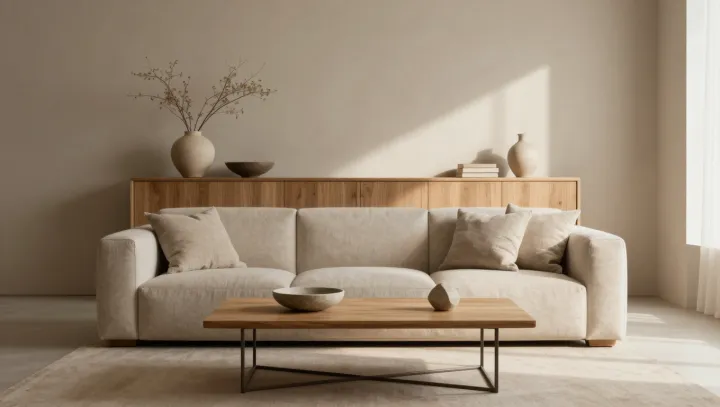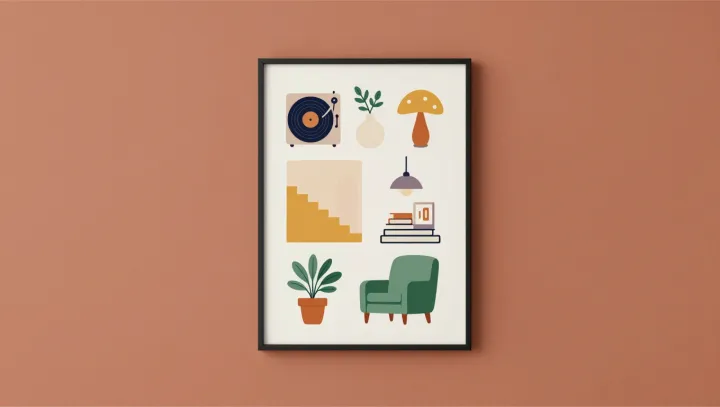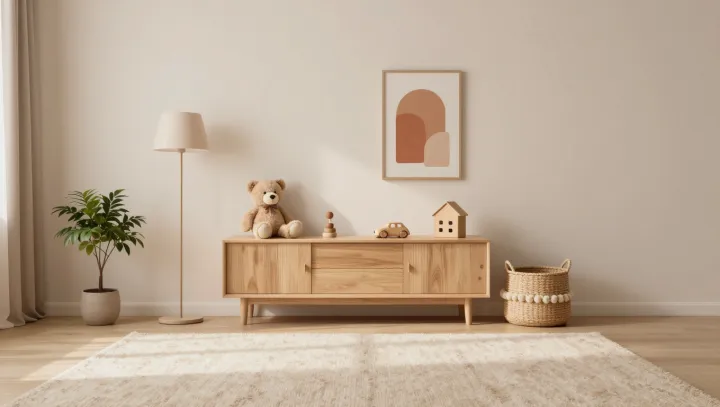
A quiet corner often feels richer than a crowded one. Warm neutrals, a wood crib, a single calm print; the scene signals status long before the baby arrives. Perception research shows that when the visual field has low stimulus density, the brain spends less energy on visual search and treats the space as controlled territory, not contested ground.
The harsher claim is this: clutter reads as financial strain. Studies on visual clutter and perceived socioeconomic status find that dense, multicolored objects compress the sense of square footage and raise measured cognitive load. Working memory and selective attention get taxed; the prefrontal cortex is busier just parsing shapes. When toys spill into every corner, the scene mimics discount retail, not boutique hospitality.
Luxury, by contrast, is coded as unused capacity. Empty surfaces advertise surplus. A single large artwork exploits the “peak–end rule” from behavioral economics, giving the brain one salient anchor instead of fifty weak ones. Soft beige walls expand perceived volume through figure–ground contrast, and consistent wood tones reduce chromatic noise, which calms the autonomic nervous system. The result feels expensive not because it cost more, but because the brain can finally idle.