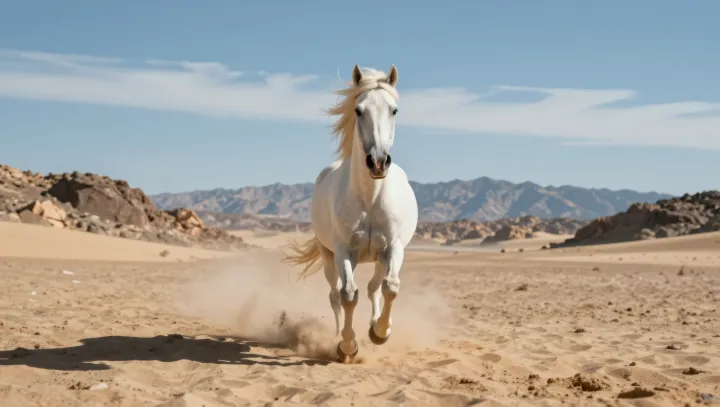
The legend of a horse running a thousand miles in a day is not innocent exaggeration; it is a fantasy built on hard biological ceilings. Equine muscle fibers, aerobic capacity, and thermoregulation set a strict upper bound: even elite endurance mounts in controlled events rarely exceed a few hundred kilometers without serious risk of rhabdomyolysis or collapse.
Myths thrived precisely because riders met those limits early and brutally. When real horses began to fail from glycogen depletion, dehydration, and cardiac strain, imagination stepped in to finish the journey. A neat equation emerged: if the body stops here, then the heroic animal must live just beyond here, in the same way that escape velocity begins exactly where ordinary speed fails.
Cultures did not choose the thousand-mile horse at random; they reverse-engineered it from sweat, dust, and veterinary failure. Oral epics stretched a hard day’s ride into an impossible one, turning lactic acid thresholds and heat stress into narrative proof that only a mythic steed could carry messages, kings, or warriors that far. The number became shorthand for absolute stamina because every real rider knew, from lived fatigue and veterinary science, how sharply the real line was drawn.