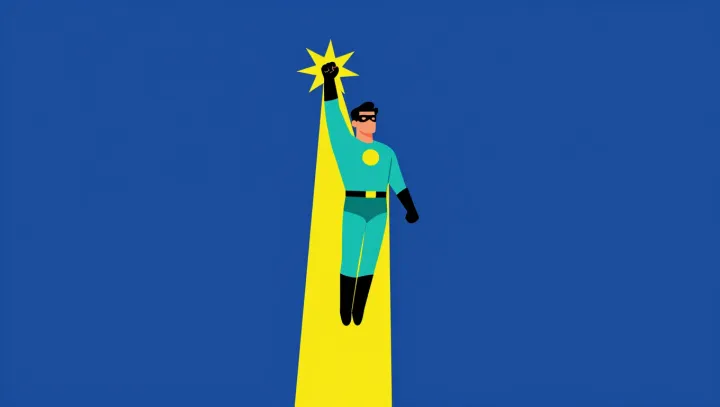
The cape gets it wrong. Real power is boring to watch. Comic panels love the single blast of radiation or the fall into a chemical vat, yet biology shows that lasting abilities come from slow, repetitive stress that reshapes tissue and circuitry over time.
Superhero origin scenes pretend identity is forged in an instant, but neuroscience has bet on the opposite, showing that synaptic plasticity and long-term potentiation grow skill through endless feedback loops of practice and recovery, not trauma alone. Extreme resilience in trauma survivors tracks with prior exposure, graded stress inoculation, and changes in the hypothalamic–pituitary–adrenal axis, which is closer to interval training than to a lightning strike. Genius follows a similar arc: deliberate practice, myelination of neural pathways, and years of boring error correction, not a lab accident, correlate with exceptional performance.
The single-moment myth survives because it is narratively efficient. A bite, a blast, a vow in an alley: instant plot capital. Incremental adaptation, with its tiny structural brain shifts and slow gains in executive function, resists spectacle and merchandising. Yet in gyms, therapy rooms, and quiet study spaces, the real origin stories keep unfolding, one unfilmed repetition at a time.