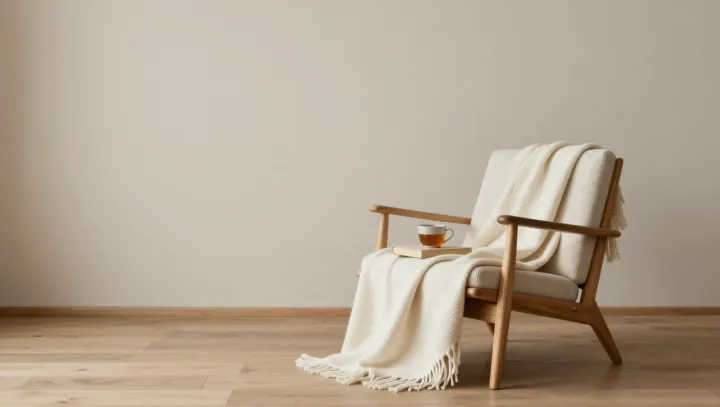
Worn corners matter. The flattened armrest, its fabric thinned by repeated settling, can register as more than furniture: it may tell your brain that this small patch is a dependable site for downshifting after effort. You notice later. That response is not mere sentimentality; it is learned association, built when a place repeatedly accompanies relief.
Your body is voting. When you return to the same nook, predictive processing links its cues - pressure, temperature, posture, and light - with prior episodes of relief, while interoception tracks shifts in breath, muscle tone, and arousal. The cue sticks. Synaptic plasticity reinforces repeated pairings, and the autonomic nervous system may begin easing before you form a conscious plan to pause. That matters now. The mind does not separate room, ritual, and recovery as neatly as productivity culture likes to pretend.
Endurance gets too much praise. If one battered corner keeps working, it suggests that daily recovery deserves design rather than grudging leftovers: a chair that supports the body, a short protected pause, fewer alerts, and permission to stop performing. Test the signal. Hold the setting steady for several breaks, then ask whether tension drops sooner, breathing deepens, and attention returns with less drag. No purchase required. The point is not to turn rest into another task; it is to admit that the places you already wear in may be offering a blunt, useful brief. What would you change first?