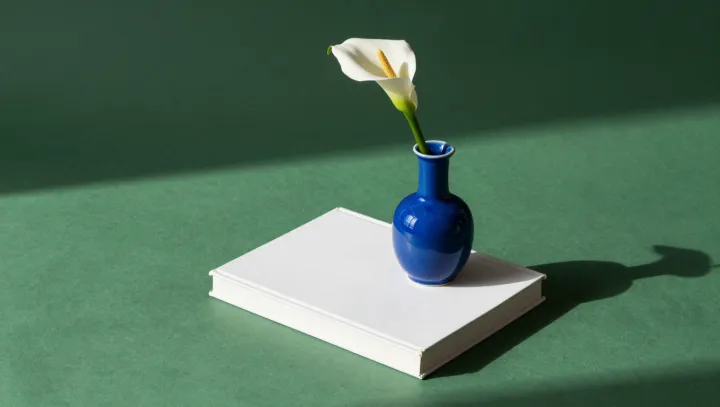
The pale funnel catches light first. You call it a flower because it behaves like one from across a room, yet the showy structure is a spathe: a modified bract, or leaf-like organ, wrapped around a thick floral column called a spadix. The actual flowers are easy to miss. Dozens sit there.
This is not botanical trickery; it is efficient design. The spathe creates a bold visual signal for pollinators while shielding the compact inflorescence from rain, wind, and casual damage. Inside, the spadix carries separate tiny flowers rather than one large blossom. Female flowers usually occupy the lower section. Male flowers sit above them. That arrangement places stigmas and pollen in close quarters, where visiting insects can move reproductive material with little wasted effort.
The oddity gets better. In many calla relatives, protogyny makes the female flowers receptive before the male flowers release pollen, reducing self-pollination and encouraging pollen exchange between plants. You are looking at a staged operation, not a single bloom. The spathe handles display. The spadix handles reproduction. Once you know that, the familiar calla seems less like a flower and more like a neatly disguised flowering system. Would you have noticed the tiny blooms without the large white flag?