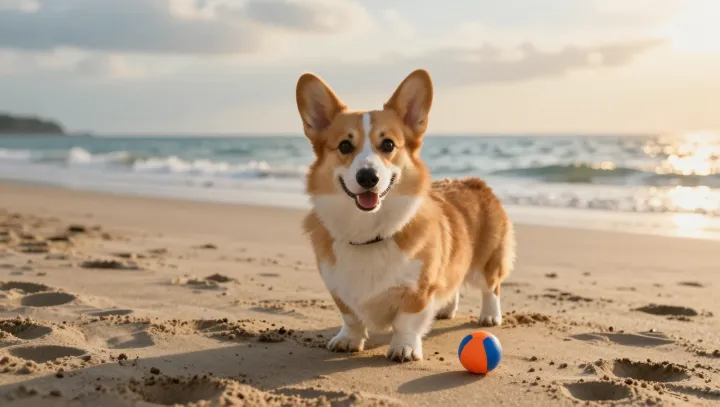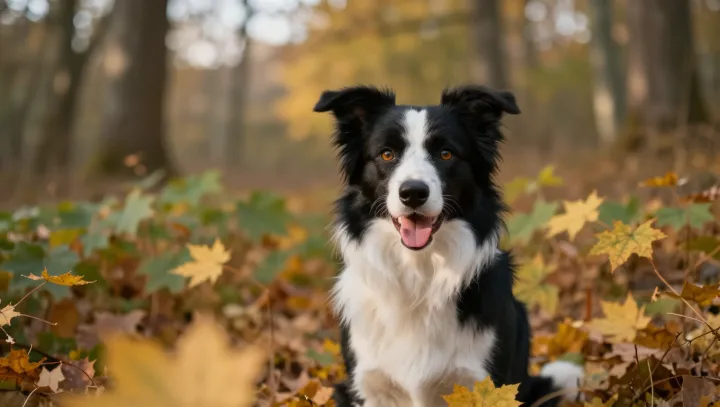
A wag proves little. Tail movement can accompany excitement, uncertainty or agitation, which makes the familiar equation between wagging and welcome an unreliable guide to approaching a dog. Happiness needs more evidence. In canine communication, arousal describes activation rather than pleasure, so a moving tail tells only part of a story written across muscles, eyes, ears and posture.
Stillness deserves more attention. A dog whose tail moves while its body stiffens, mouth closes or gaze fixes on an approaching hand may be uncomfortable, even when the movement looks enthusiastic. Read the entire animal. Loose muscles, soft eyes and fluid movement are more consistent with relaxation, although no single combination guarantees that contact will be welcome. Context changes the reading. Tail height and carriage vary with anatomy and breed, while lip licking, yawning or turning away can be displacement behaviors associated with conflict or stress, rather than invitations to continue an encounter.
Restraint is better manners. When signals seem mixed, stop approaching and give the dog room, especially if it is eating, resting, guarding an object or unable to move away. Let distance do work. Avoid leaning over the animal or pushing a hand toward its face, and ask the handler before considering contact rather than treating a wag as permission. Children need adult supervision. Growling should prompt space, not punishment, because suppressing a warning does not remove the discomfort behind it. The hand can wait. Between a swinging tail and an outstretched palm, the wiser gesture may be the space left untouched.