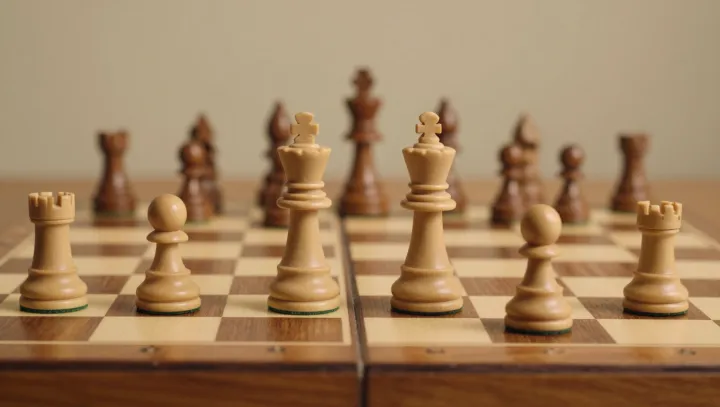
The queen remade chess. Once confined to a single diagonal step, the piece acquired the power to sweep across ranks, files and diagonals, turning a measured contest into a game of sudden threats. The change did more than strengthen one piece: it altered the tempo of the entire board.
Chess was never a fixed inheritance. Its early relatives emerged in India before traveling through Persia and into the Islamic world, where a piece representing an adviser stood beside the king. When the game reached Europe, that figure became a queen, but her powers remained modest for a long time. Then the rules changed. In parts of Europe, the queen gained the combined movement of a rook and bishop, allowing her to cross an open board in a single move. The reasons remain contested: powerful queens in European courts may have helped make the change imaginable, but no single cause has been established.
Greater power demanded greater caution. The queen could now launch a mating attack from a distance, but an early sortie could also expose her to enemy pieces and cost her owner valuable moves. Openings grew sharper, while tactics such as forks and discovered attacks gained force from her reach. Printed chess books helped circulate the revised rules, though older versions persisted alongside them. On the board, the contrast still holds: the king needs protection, while the piece beside him commands the space he cannot safely cross.